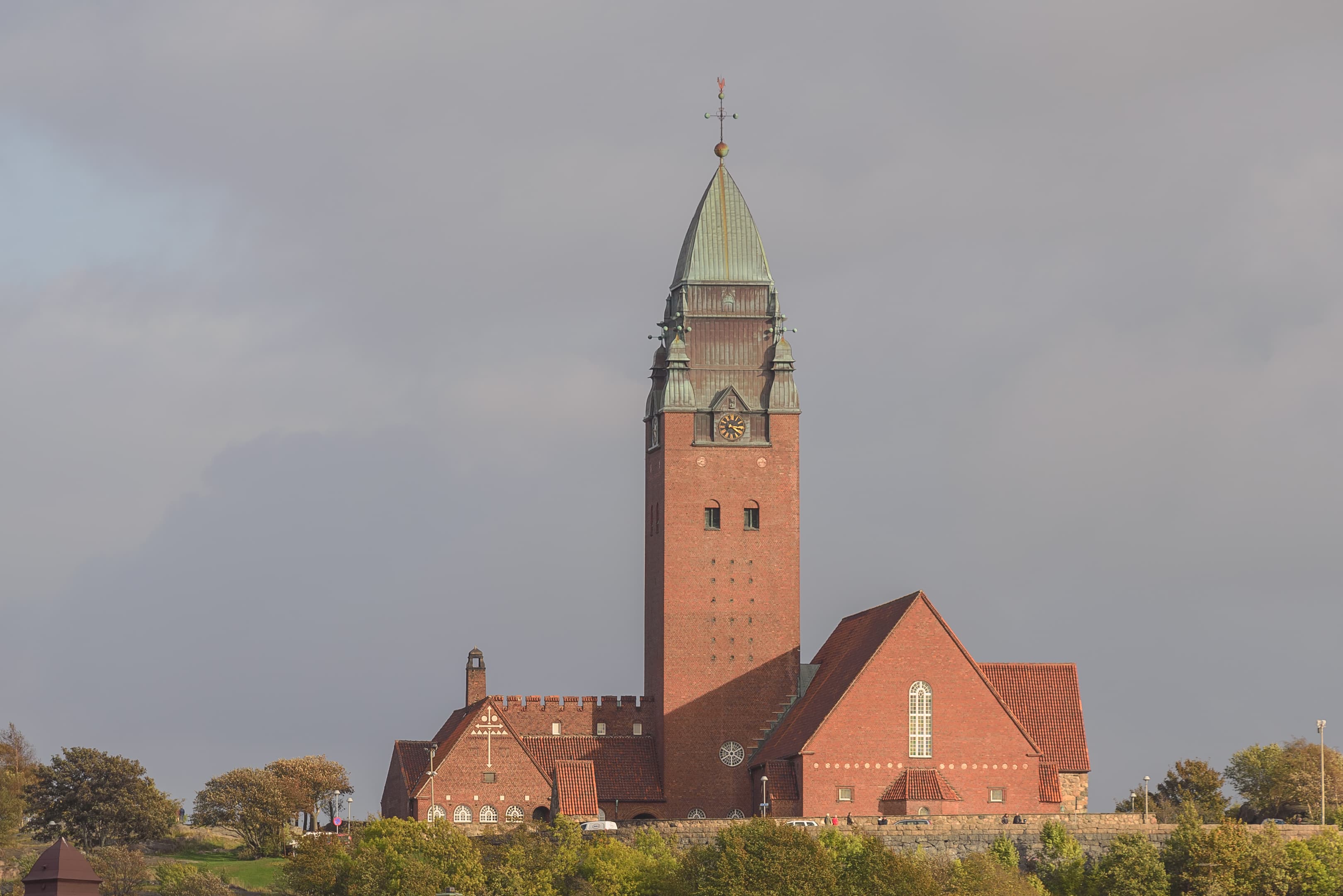
Masthuggskyrkan – White Lady & Black Priest Legends
Gamla Masthuggskyrkan – Legenden om Vita Damen och den Svarta Prästen
Göteborg, Västra Götaland, Sweden
Haunting level
Göteborg’s National Romantic landmark church on Stigberget (1910/11–1914, Sigfrid Ericson) — panoramic views, sailor seamark, and urban legends of the White Lady and the Black Priest.
Quick facts
- Built
- 1910/11–1914 · Sigfrid Ericson
- Style
- National Romantic
- Tower
- ~60 m · panoramic views
- WWI bells
- Rang 2 Aug 1914 (mobilisation)
- Folklore
- White Lady · Black Priest (urban legend)
- Access
- Open daily (parish hours)
- Haunted Sweden
- Score 8.9 · Premium HIGH
Verification
Community verified
Supported by multiple reports, photos or confirmations from different visitors.
0
Evidence
0
Reports
1
Photos
0
Videos
Investigation Sources
Track which teams have investigated this location. Haunted Sweden builds verified visits over time.
[Spökjakt]
TV Investigation
Not investigated yet
[LaxTon]
YouTube Investigation
Not investigated yet
[Haunted Sweden]
Team verification
Not investigated yet
History
DOCUMENTED: Why Masthuggskyrkan was built
Masthuggs parish was formed 1 January 1908 (split from earlier parish structures). Already in 1906 church authorities decided a new parish church was needed. Proposed sites included using S:t Johanneskyrkan (too small), Gamla Varvsparken (later Sjöfartsmuseet), or the crown of Stigberget. On 12 September 1907 Göteborg city council granted the Stigberget plot (Majornas 5:e rote). An architectural competition began 4 November 1907; Sigfrid Ericson’s National Romantic proposal (“15/2”) was accepted 24 May 1909. Drawings were fixed in 1910; builder Ivar Burman started work in December 1910.
DOCUMENTED: Construction 1910/11–1914 and Sigfrid Ericson
Riksantikvarieämbetet’s Bebyggelseregistret records new construction 1910–1914 (often summarised 1911–1914) after Ericson’s designs: nave, choir, sacristy, transepts, tower and baptismal chapel, linked to parish premises. Cost rose from an estimated ~365,000 to about 526,000 kronor. Bishop Edvard Herman Rodhe consecrated the church in October 1914 (Wikipedia and parish tradition cite 14 October; BeBR summarises 11 October — treat inauguration as October 1914). Capacity about 1,050 (including galleries).
DOCUMENTED: World War I bells before inauguration
Two bells cast 1914 at Götaverken (large ~3,200 kg, small ~2,000 kg). On 2 August 1914 — before official consecration — the bells, like others in the city, rang between 08:00 and 11:00 at ten-minute intervals to announce general mobilisation at the outbreak of World War I. BeBR explicitly notes the bells first rang to announce the war before the church was inaugurated.
DOCUMENTED: National Romantic architecture and landmark role
Hand-struck red brick (Börringe), fieldstone base, monk-and-nun tile roof, copper-clad iron spire, ~60 m tower (cockerel ~127 m above sea level). Timber ceiling, whitewashed brick interior, limestone floors and pier details; wrought-iron crowns with dragon heads. Altar triptych design by Ericson; sculptures by Ninnan Santesson; painting by Engelbert Bertel-Nordström / Bertel Nordström (altarpiece completed 1923; triumph crucifix 1925). Ship model of the full-rigger Java gifted by Göteborgs Sjöfartsmuseum (1944). Organ originally 1914 (Johannes Magnusson); later rebuilds — today the largest church organ in Göteborg diocese. City engineer Albert Lilienberg praised the silhouette as defining the formerly bare ridge for Majorna and Masthugget. The tower remains a panoramic landmark for sailors and citizens; Svenska kyrkan notes ~100,000 visitors yearly and seasonal guided tower climbs.
DOCUMENTED: Masthugget / Stigberget before the church
Name Masthugget (Mastehugget, 1647) from mast-making for sailing ships. From the 1600s Stigberget slopes held dense wooden housing for sailors, harbour and yard workers — steep lanes, overcrowding, and hard living conditions documented in Göteborg Stadsmuseum and local history (Sjömanshuset and related institutions served maritime welfare). Late 1800s–early 1900s growth as a working-class district (“Röda Masthugget”); 1960s–70s clearance replaced most old wooden fabric. A few Storebackegatan houses near the church recall Gamla Masthugget. The standing church is not a ruin — popular ghost-list titles saying “Gamla Masthuggskyrkan är en ruin” confuse folklore branding with the active 1914 landmark.
DOCUMENTED dark / wartime / parish context (no invented tragedies)
Hard living conditions in old Masthugget (cramped worker housing, harbour poverty) are historically attested. Wartime link: August 1914 mobilisation ringing. February 1940 fuel shortage closed several Göteborg churches temporarily, including Masthugget’s. Parish life includes ordinary funerals and mourning as at any active church — do not invent specific undocumented deaths as “haunted history.”
Legends
FOLKLORE vs HISTORY — research note (confidence: MEDIUM)
Official Svenska kyrkan and BeBR pages document architecture and parish history; they do not present White Lady or Black Priest narratives as historical fact. Those motifs circulate mainly in online haunted-place lists, tourism/ghost-walk style copy, and oral/urban-legend culture. Haunted Sweden has not found archival parish “first sighting” records proving older documented hauntings. Treat legends as folklore / modern storytelling unless primary sources appear.
URBAN LEGEND / FOLKLORE: The White Lady (Vita damen)
Popular tellings speak of a woman in white near the church — sometimes framed as a jilted bride left at the altar, or as a figure at a “church ruin.” That ruin framing does not match the standing National Romantic church at Storebackegatan 15. Descriptions of apparitions, cold air, and churchyard sightings are anecdotal and secondary. Origin: oral tradition and modern ghost-list/ghost-walk culture rather than verified historical biography. Do not present the White Lady as documented history.
URBAN LEGEND / FOLKLORE: The Black Priest (Svarta prästen)
Stories describe a black-clad priestly figure near pillars, doors or shadowy corners of the church — a classic Swedish “dark cleric” motif. Reports are local anecdote and tourism narrative. No confirmed link to a named historical priest in parish archives was found in this research pass. Whether the tale predates commercial ghost tours is unclear; current evidence points to modern circulation more than early printed folklore collections. Label as folklore.
MODERN WITNESS-STYLE REPORTS (anecdotal — not controlled investigations)
Visitor and list-site motifs include apparitions, footsteps in empty space, unexplained organ-like sound, cold spots, shadow figures, and feeling watched — especially in the nave, tower approaches, churchyard, and main entrance (often cited as a ghost-walk meeting point in tourism copy). No peer-reviewed paranormal investigation of Masthuggskyrkan was located. Record as subjective experience and urban reputation, not proven hauntings.
Special haunted areas (atmosphere + legend — not verified hotspots)
1. Main nave — historic National Romantic interior, heavy atmosphere. 2. Church tower — panoramic views; folklore attaches mystery to height and darkness (official tower visits are guided heritage tours, not ghost hunts). 3. Churchyard / exterior grounds — reported apparition motifs in folklore lists. 4. Main entrance — traditional meetup point in ghost-walk marketing.
Atmosphere, investigation ideas, best conditions
Massive brick church, stone base, ~60 m tower, evening lighting, fog over Göteborg, quiet churchyard, views across harbour and city. Investigation ideas (with permission / respect for worship): White Lady folklore mapping; Black Priest legend origins; night photography from Stigberget; history vs folklore documentary; EVP only where explicitly permitted. Best conditions: blue hour, winter evenings, heavy fog, rain after sunset. Accessibility: church open during published hours (~100,000 visitors/year); grounds publicly approachable; respect services; outdoor photography generally fine — confirm indoor rules.
Haunted Sweden Investigation
Status: Investigation planned — not yet completed
This location is on the Haunted Sweden investigation shortlist. We separate documented history from folklore and visitor reports until a team visit can confirm access, atmosphere, and any claimed evidence.
- Documented history and primary sources
- Local folklore vs. unverified claims
- Visitor access, safety and night-visit notes
- Photos, audio and community reports (when available)
Been here? Help the investigation — submit a tip or report
Paranormal reports
No approved reports yet. Share your experience.
Photos
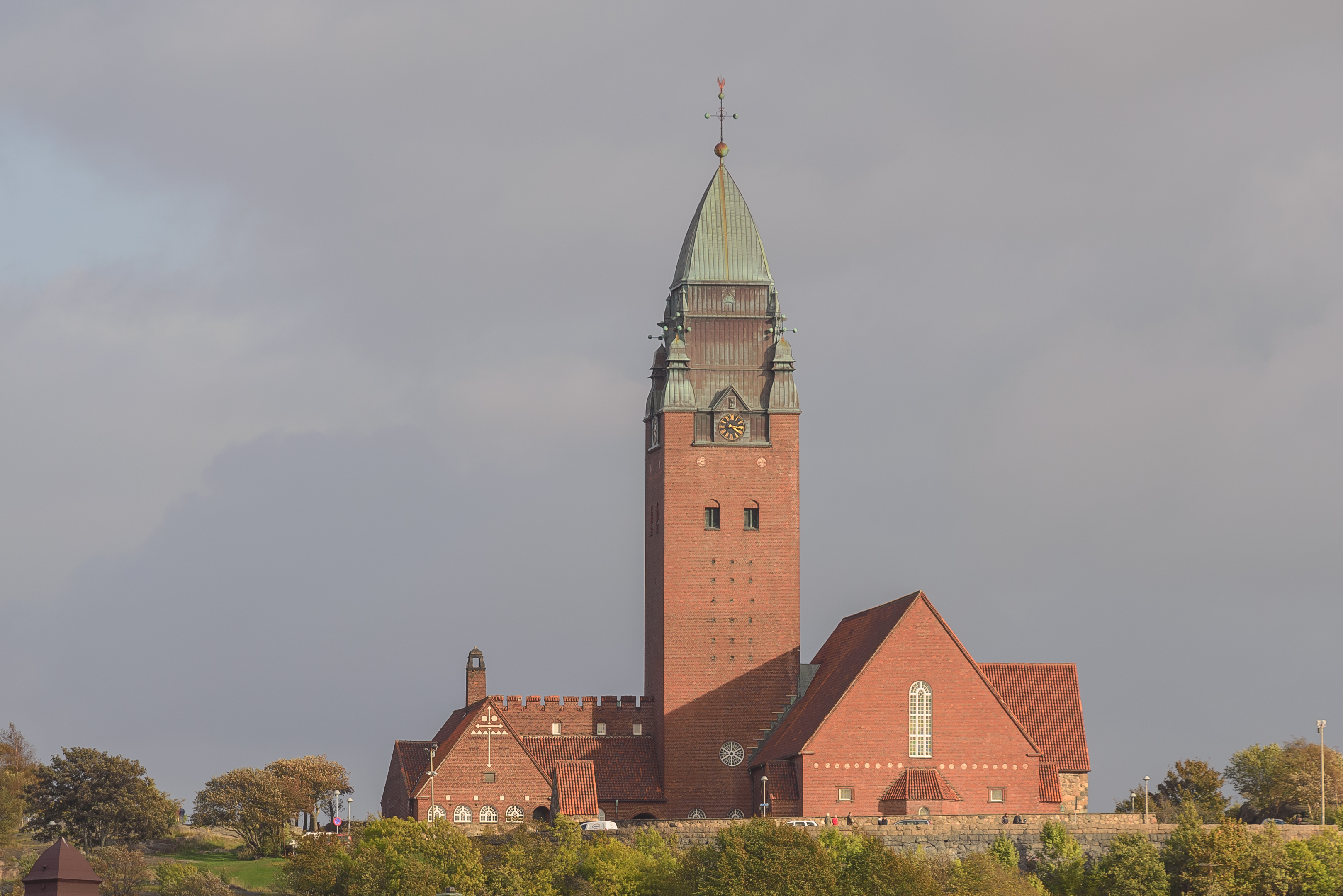
Masthuggskyrkan, Göteborg — National Romantic landmark on Stigberget
Added by: Wikimedia Commons
Videos
No videos yet. Be the first to contribute.
Location
- City
- Göteborg
- Region
- Västra Götaland
- Country
- Sweden
- Address
- Storebackegatan 15, 413 18 Göteborg, Sweden
- Coordinates
- 57.6948°, 11.9448°
Access
Public landmark
Family friendly
Family friendly
Visit difficulty
★★☆☆☆
Night access
Allowed
Parking
Available
Guided tours
Available
Public access
Yes
Safety
Active parish church (Svenska kyrkan / Masthuggs församling) — respect opening hours, services, funerals and quiet visitors. Tower climbs are guided and seasonal when offered. Uneven stone and steep Stigberget streets can be slippery in rain or ice. No overnight stays. Do not disturb worship or invent ‘investigations’ during services.
Frequently asked questions
Is Masthuggskyrkan really a ruined church?
Did the church bells ring for World War I before inauguration?
Who are the White Lady and the Black Priest?
Can visitors go inside and up the tower?
Has Haunted Sweden investigated Masthuggskyrkan yet?
Nearby haunted locations
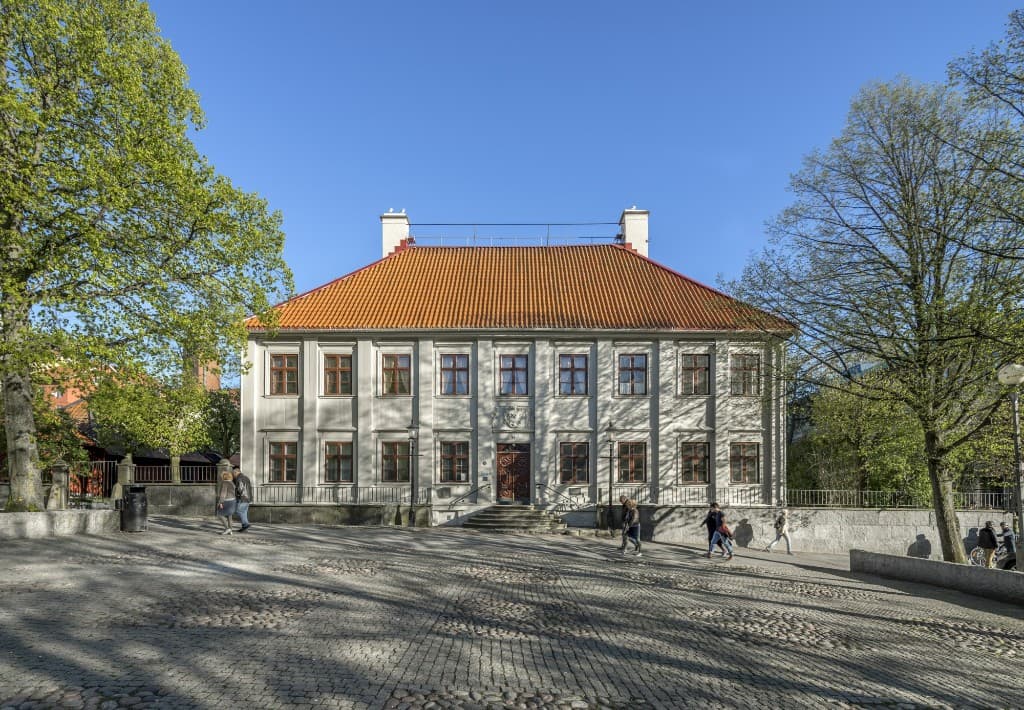
Gathenhielmska House
Göteborg, Västra Götaland
Legend Site · ★★★★★
Approximately 379 m apart
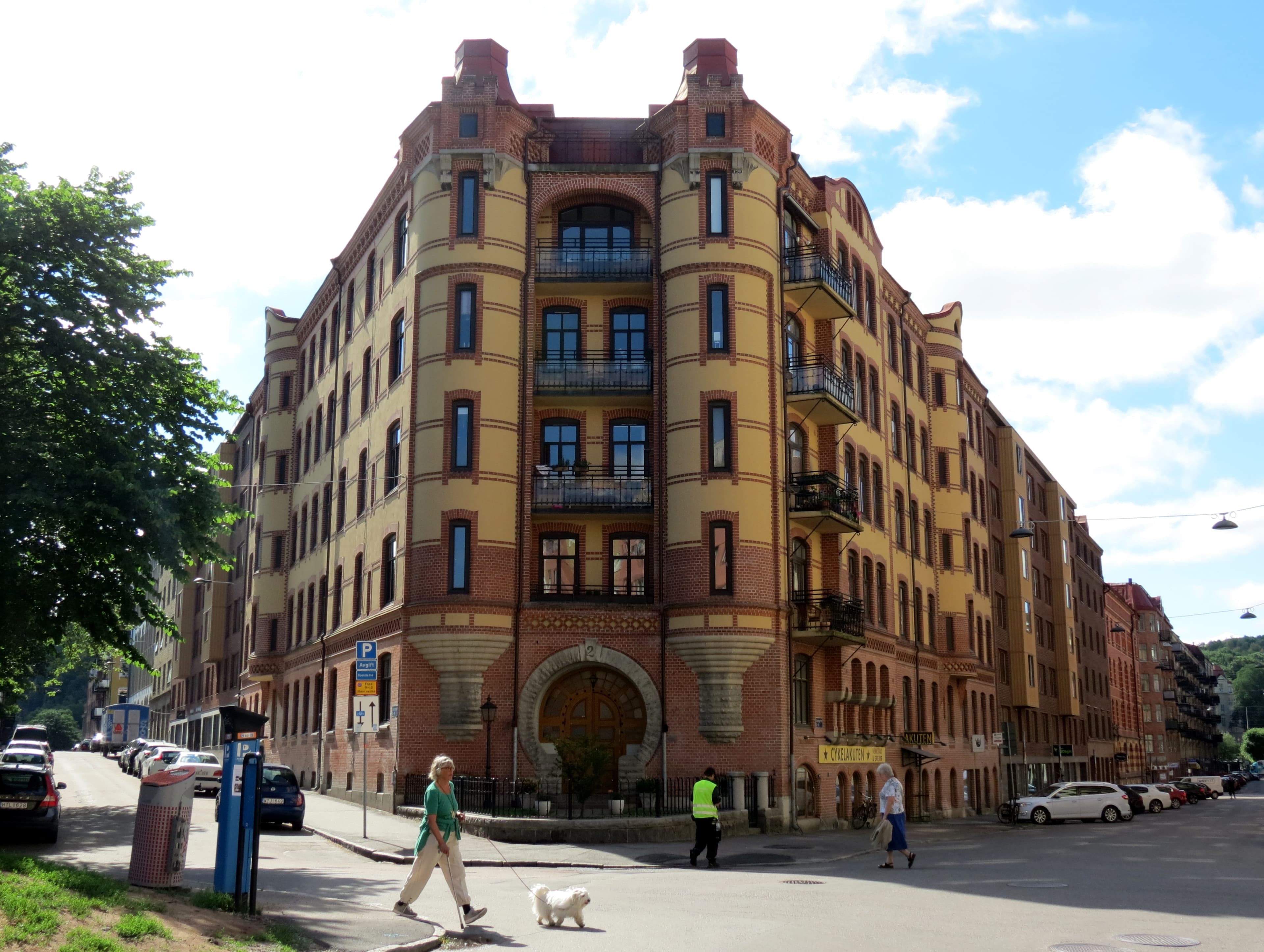
The Keyhole House – Arthur Lowell Plaque
Göteborg, Västra Götaland
Urban Legend · ★★★
Approximately 519 m apart
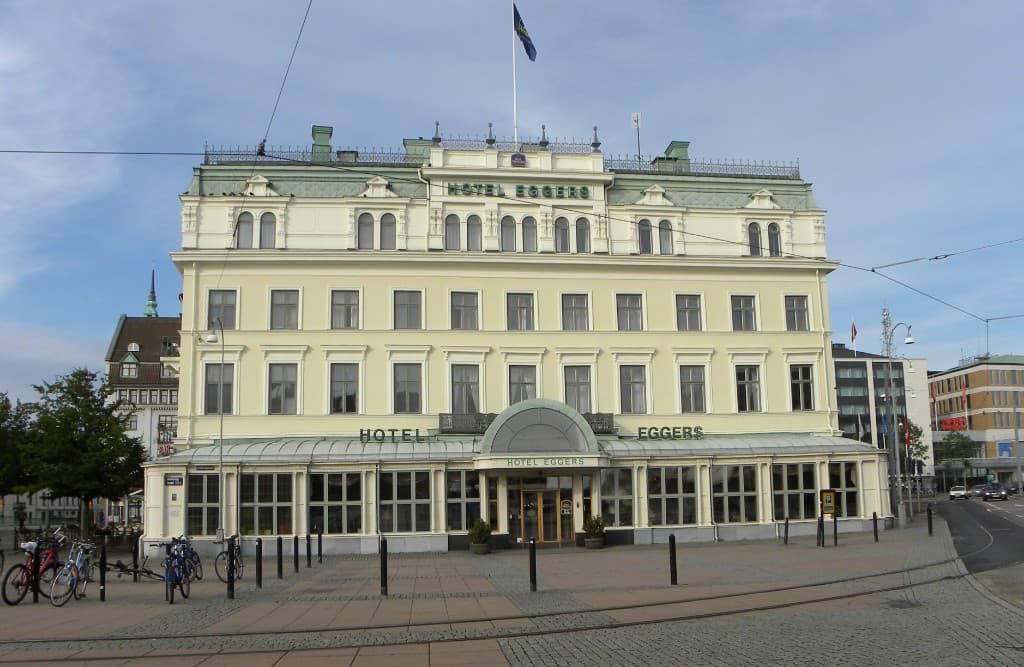
Hotel Eggers
Göteborg, Västra Götaland
Haunted Accommodation · ★★★★★
Approximately 2.2 km apart
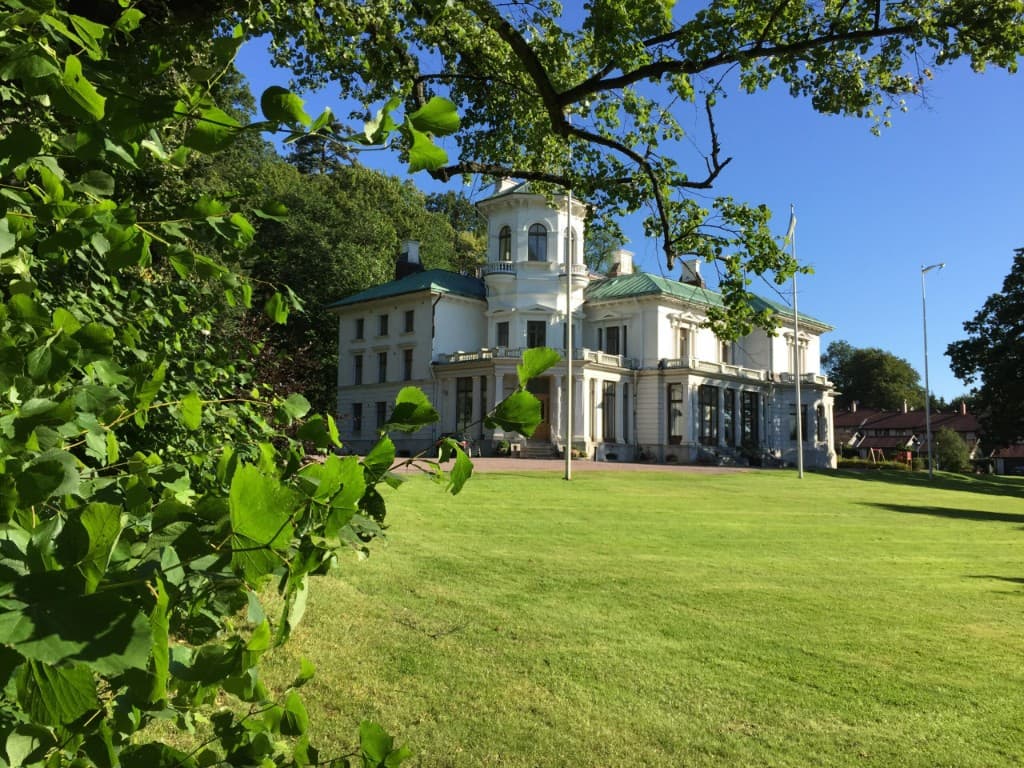
Överås Manor
Göteborg, Västra Götaland
Manor / Estate · ★★★★★
Approximately 3.3 km apart
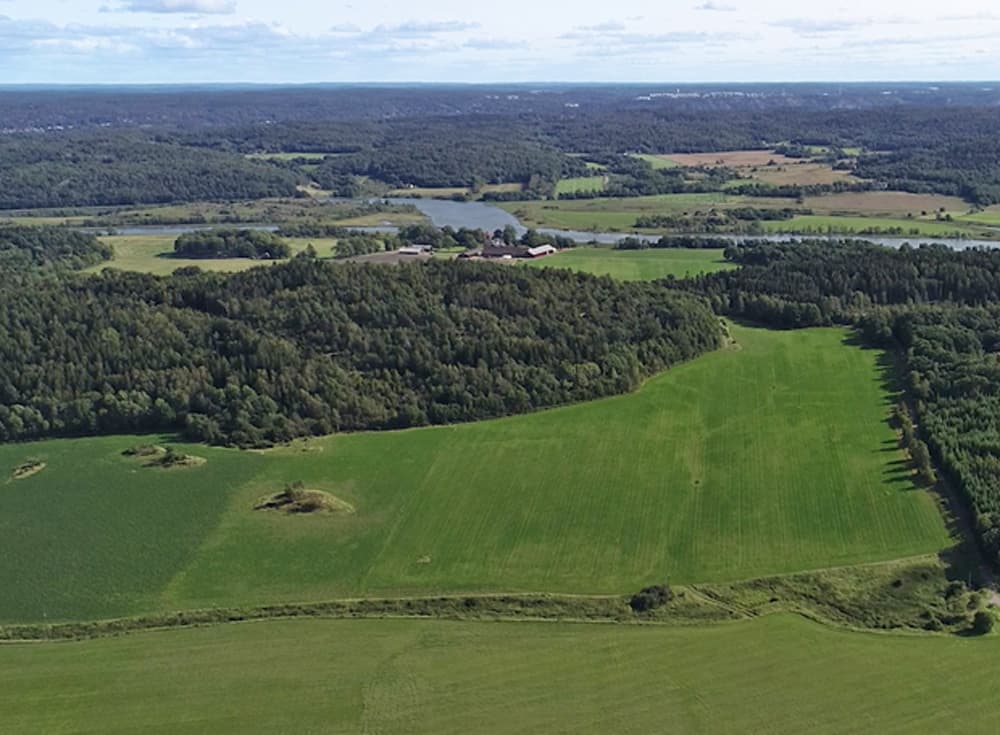
Stora Smällen Grave Field (Västra Porten)
Ytterby, Västra Götaland
Legend Site · ★★★★
Approximately 18.3 km apart
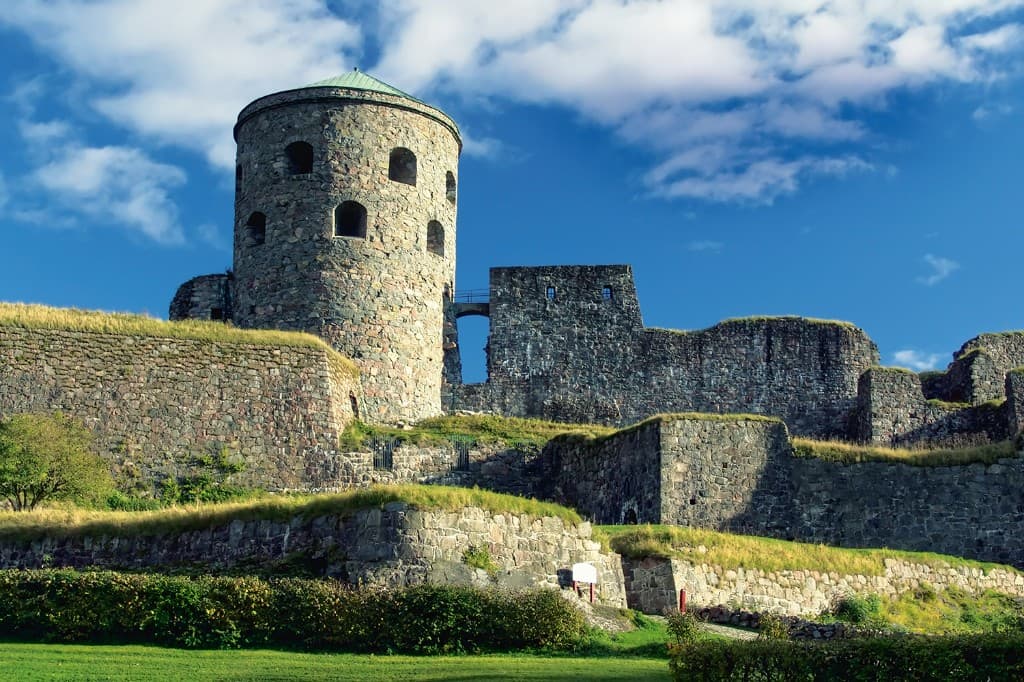
Bohus Fortress
Kungälv, Västra Götaland
Castle / Castle Ruin · ★★★★★
Approximately 19.0 km apart