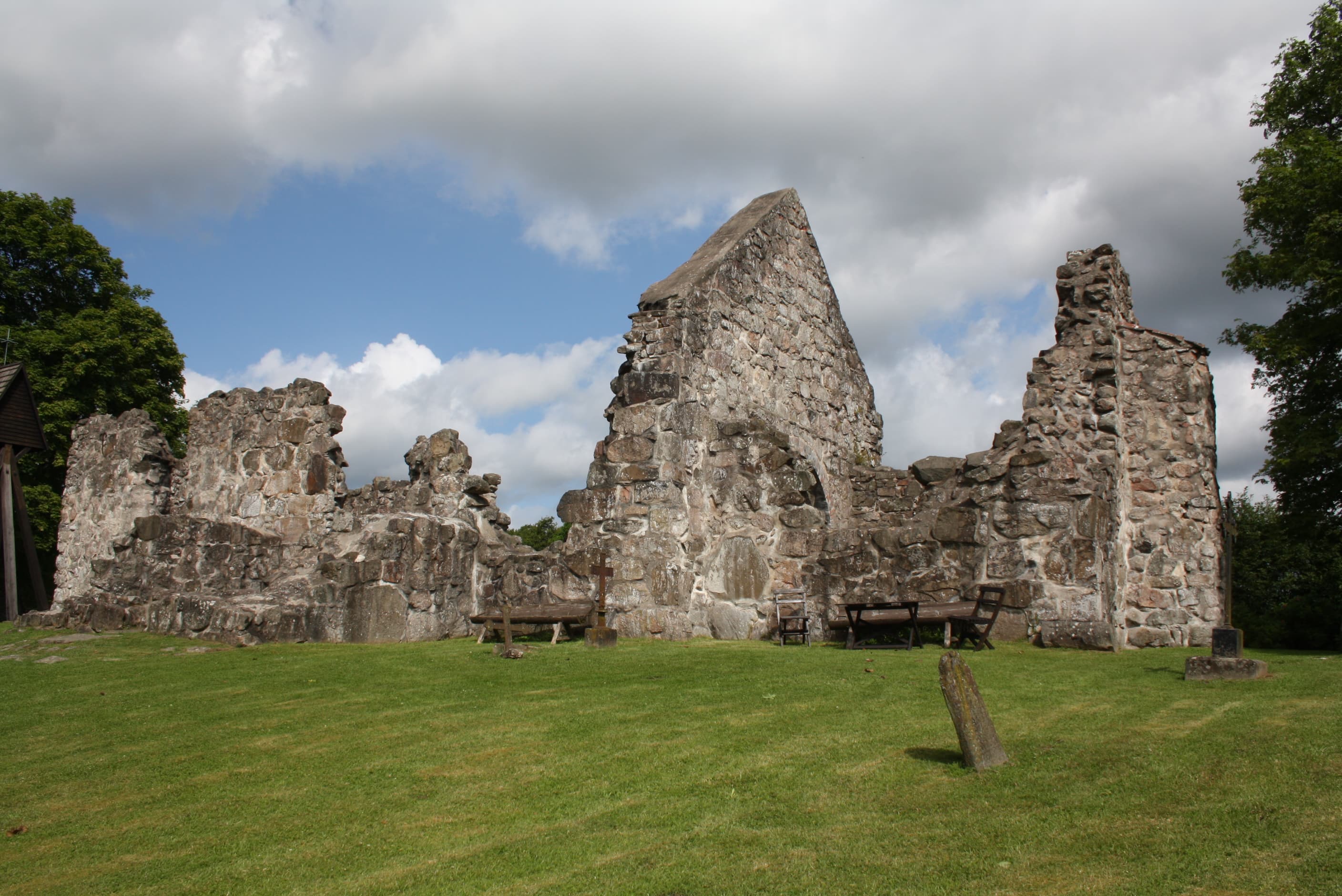
Rya Church Ruin (Rya Kyrkoruin)
Rya Gamla Kyrka
Örkelljunga, Skåne, Sweden
Haunting level
Medieval Romanesque church ruin in Rya socken — abandoned 1875 after auction stripping, restored 1941; active summer worship; HISTORIC MYSTERY (no verified ghost tradition found).
Quick facts
- Built
- c. 1100s/1200s · Romanesque stone
- Abandoned
- 1875 · auction stripping 1875–76
- Restored
- 1941 · 1957
- Font
- Mörarpsmästaren → new church 1875
- Classification
- Historic Mystery (no verified haunting)
- Use today
- Outdoor services · baptisms · weddings
- Haunted Sweden
- Score 8.5 · Folklore LOW · Premium MED–HIGH
Verification
Community verified
Supported by multiple reports, photos or confirmations from different visitors.
0
Evidence
0
Reports
1
Photos
0
Videos
Investigation Sources
Track which teams have investigated this location. Haunted Sweden builds verified visits over time.
[Spökjakt]
TV Investigation
Not investigated yet
[LaxTon]
YouTube Investigation
Not investigated yet
[Haunted Sweden]
Team verification
Not investigated yet
History
DOCUMENTED: Medieval Rya parish church
**Rya kyrkoruin** (Rya gamla kyrka) lies in **Rya socken**, **Örkelljunga kommun**, Skåne — on a marked height west of the **Pinnån**, ~600 m southeast of the E4 and ~2 km southwest of **Rya nya kyrka** in **Eket** (Wikipedia / Svenska kyrkan). Address tradition: **Rya 144**. Coordinates in BeBR/Commons cluster ~**56.229°N, 13.170°E**.
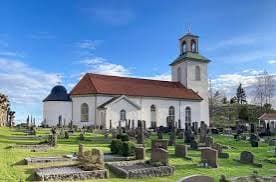
The **Romanesque** stone church was **probably built around the turn of the 1100s/1200s** (Svenska kyrkan Örkelljunga pastorat; Wikipedia). Plan: **nave** and **straight-ended chancel** of grey stone, originally with a **flat wooden ceiling**. Dimensions (Wikipedia): total length **23 m** (east–west), width **8 m**; nave **16.5 m**, chancel **6 m**; **porch (vapenhus)** on the south **4×6 m**; walls **>1 m** thick, up to **~8 m** high. A **tower** stood over the west end (1715 timber phase).
DOCUMENTED: Herrevad, Mörarp font and 1400s Gothic phase
**Herrevad Abbey (Herrevadskloster)** owned estates in Rya socken; pastorat and Wikipedia note **possible Cistercian influence** on the original build. The **sandstone baptismal font** (late 1100s / early 1200s, **Mörarpsmästaren** workshop) was in the old church and is now in the **1875** replacement (**Rya kyrka, Eket** — Wikipedia / pastorat). On the **1400s** the flat ceiling was replaced by **brick cross-vaults** with **medieval lime paintings (kalkmålningar)**; a **porch** was built before the south portal. **Länsstyrelsen Skåne** kulturmiljöprogram adds later **sacristia** to the Romanesque scheme.
Pre-Reformation interior was austere: congregation **stood or knelt** through services; **pews came only after the Reformation** (Wikipedia). Floor in nave and chancel: **oak boards**; later aisle quarters **cobblestone** until closure.
DOCUMENTED: Decline, 1715 tower, 1856 decision
Early **1700s**: the parish priest reported **rain leaking through the vaults**. **1715**: **timber extension** and **tower** added on the wooden superstructure (pastorat). By the **1800s** the church was **too small and in poor repair**.
**1856 sockenstämma**: decision to build a new church — parish ~**1,000** inhabitants, old church seated **132** (pastorat / Wikipedia).
DOCUMENTED: 1875 new church, auction stripping, ruin
**New Rya kyrka** in **Eket** built in brick; architect/builder **J. Hallberg**, Ängelholm; **inaugurated 1875** (Wikipedia). The medieval church was **abandoned**. **1875–1876 public auction**: furnishings, **roof**, **floor beams**, **vault brick** sold — **only grey-stone walls left** (pastorat). **Medieval lime paintings did not survive** in the ruin; they went with the stripped vault fabric (logical inference from auction description — do not claim specific buyer).
**Transferred objects (documented):** font to new church; **bell cast 1727** by **Andreas Wetterholtz**, Malmö (inscriptions — Wikipedia cites *Skånes Annonsblad*, 1902); **late-1500s altarpiece** in new church; **1727 bell** history.
DOCUMENTED: Restoration and present use
Walls **deteriorated** until **1941 restoration**; **1957** further repair — **cement** on wall crowns and window sills (pastorat). **1967/1968**: new **wooden bell-stapel** with recast bell west of ruin (pastorat says **1967**, Wikipedia **1968**). Modern **wooden benches and altar** inside ruin for services.
**Today (Svenska kyrkan / kommun):** **outdoor services**, **baptisms**, **weddings**, **vägkyrka** in summer. ~**1 km path** from **Ingeborrarp** / friluftsmuseum area (Visit Örkelljunga).
DOCUMENTED: Landscape and heritage framing
**Länsstyrelsen Skåne — Kulturmiljöprogram Rya–Ingeborrarp:** ruin exemplifies late-1800s shift when **former socken centres were abandoned** for new industrial/communication nodes; Eket became the new centre. **Ödekyrkogård** with some **gravestones and cast-iron crosses** inside a **dry-stone wall** (Wikipedia). Nearby **U-plan farms** and **Ingeborrarpsgården** (hembygdsgård, byggnadsminne) anchor the historic landscape.
DOCUMENTED dark / regional context (no invented tragedies)
As a parish church for ~650+ years, the churchyard holds **ordinary Christian burials** — no specific mass tragedy, battle or epidemic at the ruin was located in this research pass. Northwestern Skåne shared **Danish–Swedish border history** (Skåne Swedish from **1658**); Rya was not highlighted in sources reviewed as a conflict battle site. **Reformation** changed worship style (pews, etc.) but is not documented here as a haunting origin. Do **not** manufacture plague years or unnamed executions.
Legends
FOLKLORE & PARANORMAL RESEARCH RESULT — HISTORIC MYSTERY
Haunted Sweden performed **targeted research** (not assumption from “old church = haunted”):
**Sources searched:** Svenska kyrkan / Örkelljunga pastorat; Örkelljunga kommun; Visit Örkelljunga; Länsstyrelsen Skåne kulturmiljöprogram; Wikipedia / BeBR tradition; regional tourism; online ghost-site lists; newspaper-index hints (*Skånes Annonsblad* 1902 on bell — historical, not paranormal); commons/local photo archives.
Ghost stories — NOT FOUND (credible tradition)
No substantiated **White Lady / Grey Lady**, **priest ghost**, **phantom bells**, **churchyard apparition cycle**, or **named oral tradition** specifically attached to **Rya gamla kyrka / Rya kyrkoruin** was located in official church, municipal, county or Wikipedia sources. None of the reviewed texts present the ruin as a known haunted site.
**Do not infer** hauntings from age, open roof, or ödekyrkogård atmosphere alone.
Paranormal reputation — WEAK / ABSENT
- **No** documented paranormal investigation reports, EVP claims, or newspaper “ghost hunt” features tied to this ruin were found. - **No** credible visitor witness corpus (apparitions, shadow figures, footsteps, voices, lights) with identifiable sources. - Generic “medieval churches feel spooky” social-media tone may exist; Haunted Sweden **does not** treat that as local folklore.
**Explicit conclusion:** Rya kyrkoruin is **not classified as haunted** in Haunted Sweden on current evidence.
Classification
**HISTORIC MYSTERY** — flagship question: **“The Forgotten Medieval Church”**
- Why was the medieval church **abandoned** rather than demolished? (Economic reuse: auction of fabric; walls kept as memorial/landmark; later **1941** conscious preservation.) - What happened to **furnishings, vault brick and lime paintings**? (**1875–1876 auction** — paintings lost with vault teardown.) - What survives **archaeologically** under and around the ruin? (Medieval footprint, ödekyrkogård stones — further parish/archive research needed.) - Who was **buried** here across centuries? (Normal parish burials; no sensational list found — future graveyard study.) - Why preserve a **roofless** church today? (Living worship, heritage, Skåne kulturmiljö identity.)
Future folklore verification (open research)
Örkelljunga pastorat, hembygdsförening, **Folklivsarkiv** / university folklore collections, pre-digital **newspaper archives**, and oral history interviews may yet surface local stories — none met Haunted Sweden’s credibility bar in this pass.
Special areas (atmosphere — not verified paranormal hotspots)
1. **Main ruin** — Romanesque grey-stone shell, open sky. 2. **Former chancel (east)** — oldest liturgical focus. 3. **Medieval churchyard** — walled ödekyrkogård, scattered stones/crosses. 4. **Southern entrance / porch** — medieval portal zone. 5. **Surrounding Rya–Ingeborrarp landscape** — Pinnån valley, hagmark, oak/beech slopes.
Investigation ideas (historical — not ghost-hunt default)
- *The Forgotten Medieval Church* / *What Happened to Rya’s Medieval Church?* - Herrevad & Mörarp font lineage; 1875 auction documentary. - History vs folklore archive hunt; compare with **Eket** new church. - Medieval Skåne landscape photography — fog, blue hour, autumn.
**Paranormal investigation ideas:** only if future verification finds credible tradition — **not recommended** as primary framing today.
Best conditions
Autumn, fog, blue hour, early morning mist, overcast — for **historical atmosphere photography**, respecting active worship and graves.
Haunted Sweden Investigation
Status: Investigation planned — not yet completed
This location is on the Haunted Sweden investigation shortlist. We separate documented history from folklore and visitor reports until a team visit can confirm access, atmosphere, and any claimed evidence.
- Documented history and primary sources
- Local folklore vs. unverified claims
- Visitor access, safety and night-visit notes
- Photos, audio and community reports (when available)
Been here? Help the investigation — submit a tip or report
Paranormal reports
No approved reports yet. Share your experience.
Photos
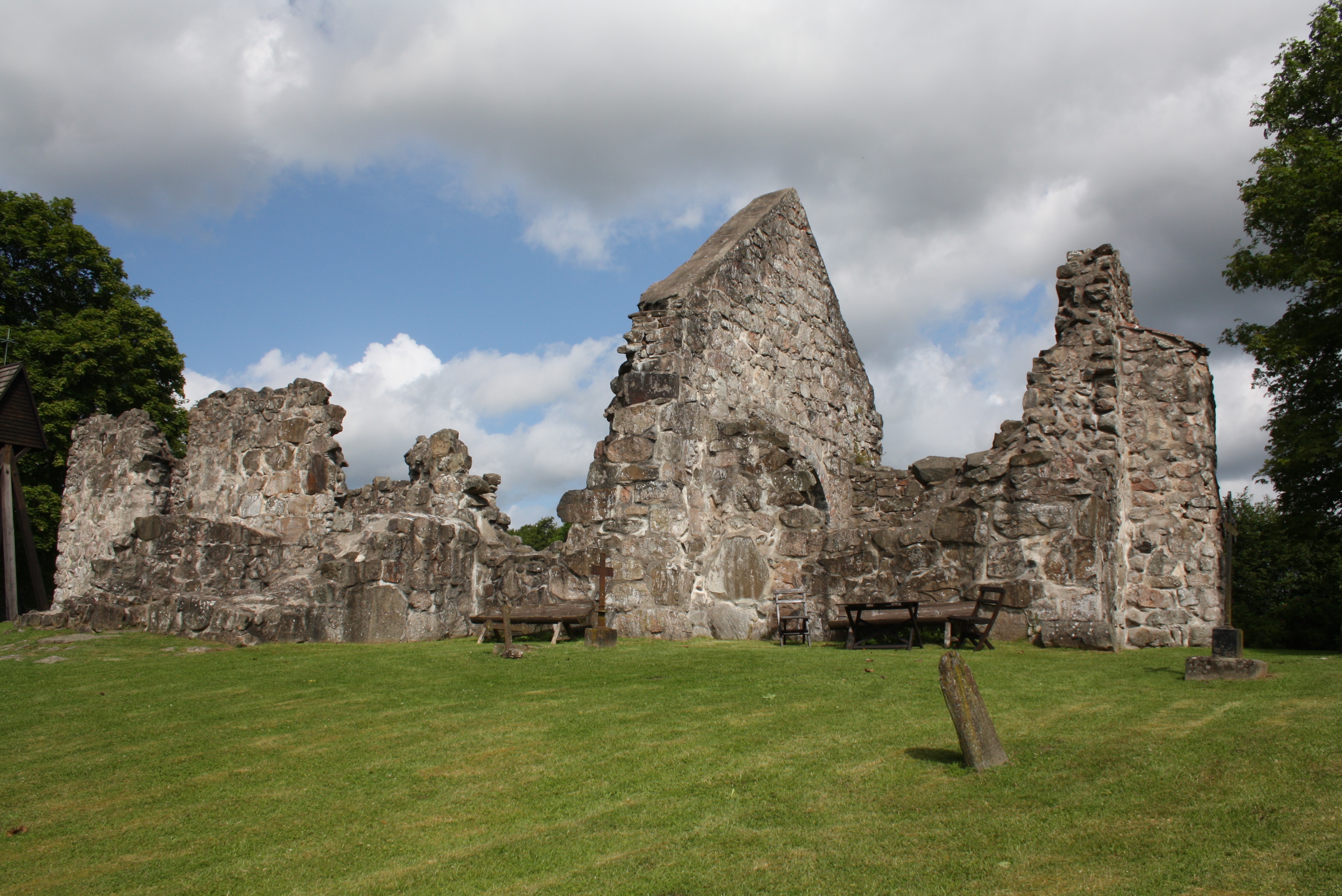
Rya kyrkoruin — medieval Romanesque church ruin, Örkelljunga
Added by: Wikimedia Commons / Marcin-Janek (CC BY-SA 4.0)
Videos
No videos yet. Be the first to contribute.
Location
- City
- Örkelljunga
- Region
- Skåne
- Country
- Sweden
- Address
- Rya 144, 286 91 Örkelljunga, Skåne, Sweden
- Coordinates
- 56.2291°, 13.1697°
Access
Public landmark
Family friendly
Family friendly
Visit difficulty
★☆☆☆☆
Night access
Not recommended
Parking
Available
Guided tours
None
Public access
Yes
Safety
Active outdoor church ruin and ödekyrkogård — summer services, baptisms and weddings may be in progress. Respect worship, graves and archaeological remains; do not disturb stones, dig, or remove material. Uneven ground and wall bases; caution in wet/foggy conditions. Verify access via Örkelljunga pastorat / kommun. Allemansrätt applies to surrounding countryside — do not damage fences, crops or livestock. Haunted Sweden does not encourage unauthorised night investigations or graveyard intrusion.
Frequently asked questions
Is Rya church ruin haunted?
Why was the medieval church abandoned?
What happened to the medieval lime paintings?
Can I visit and attend services?
Has Haunted Sweden investigated yet?
Nearby haunted locations
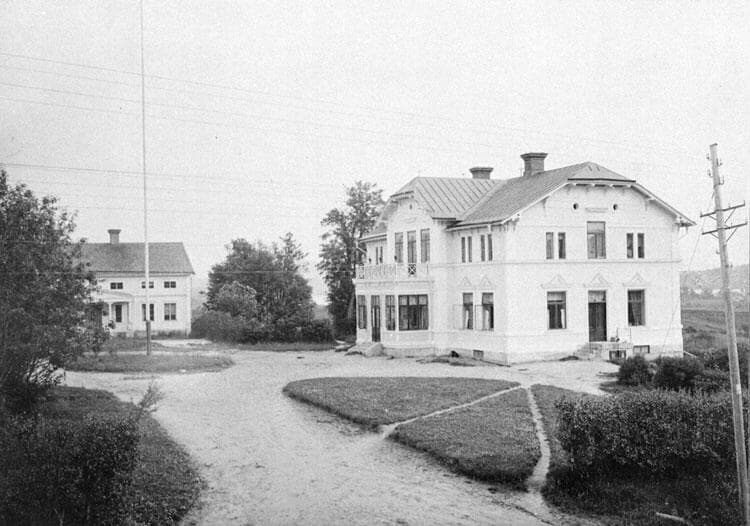
Norrsvedje Inn
Norrsvedje, Skåne
Haunted Accommodation · ★★★★
Approximately 30.2 km apart
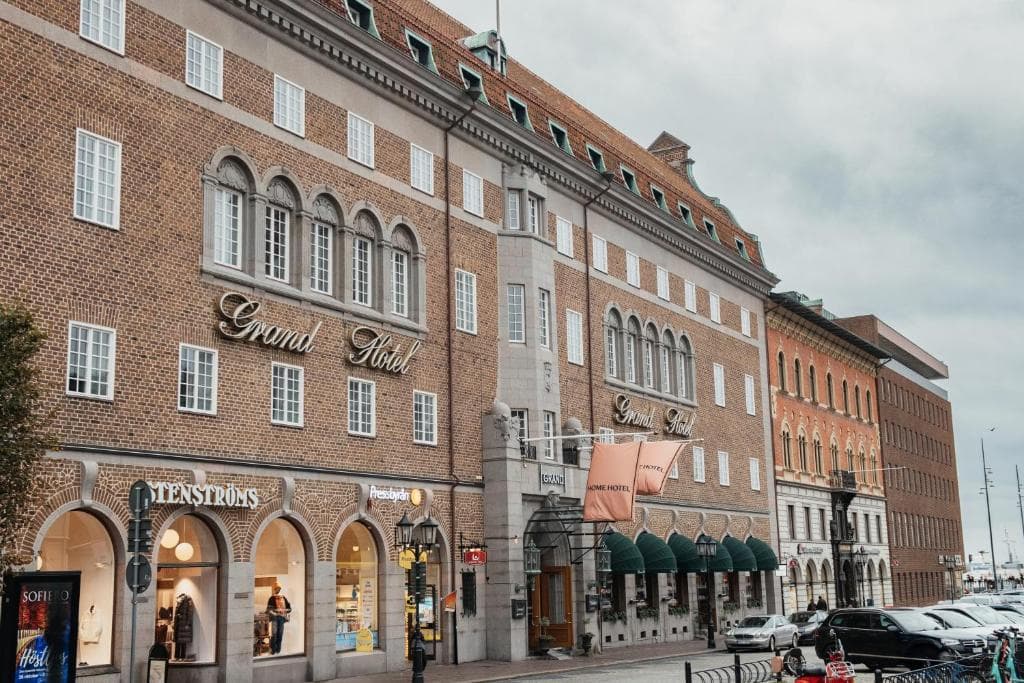
Home Hotel Grand Helsingborg (Grand Hotel / Clarion Grand)
Helsingborg, Skåne
Haunted Accommodation · ★★★★★
Approximately 35.8 km apart

Landskrona Citadel (Citadellet)
Landskrona, Skåne
Castle / Castle Ruin · ★★★★★
Approximately 45.2 km apart
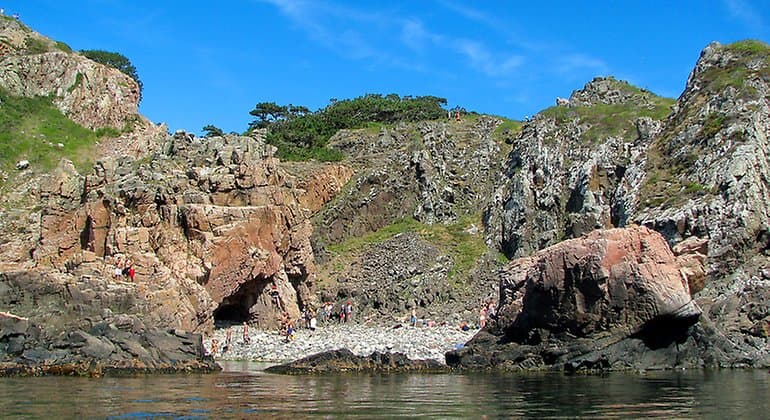
Kullaberg Nature Reserve
Mölle, Skåne
Forest / Nature Site · ★★★★
Approximately 45.3 km apart
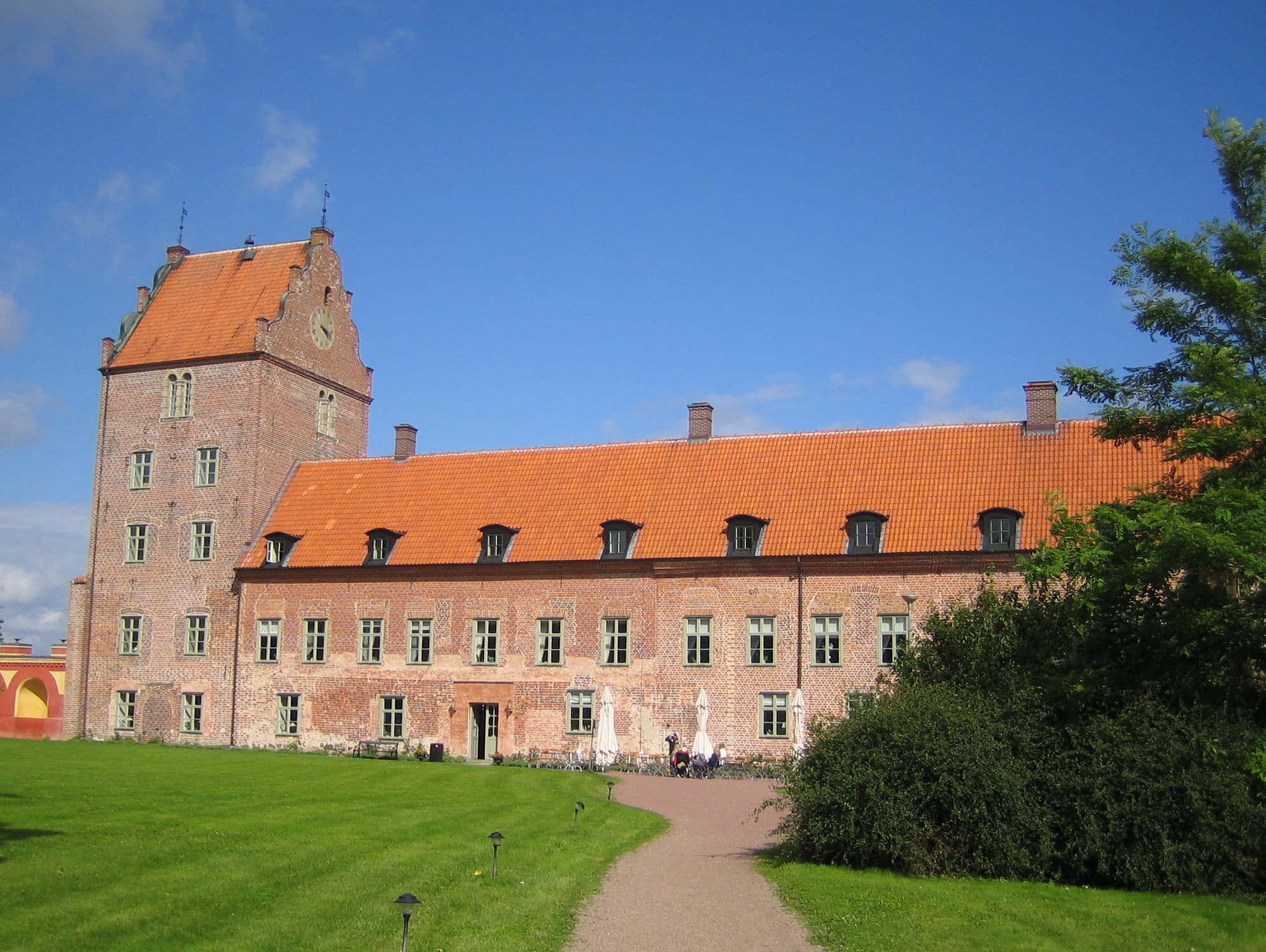
Bäckaskog Castle
Fjälkinge, Skåne
Castle / Castle Ruin · ★★★★★
Approximately 69.5 km apart
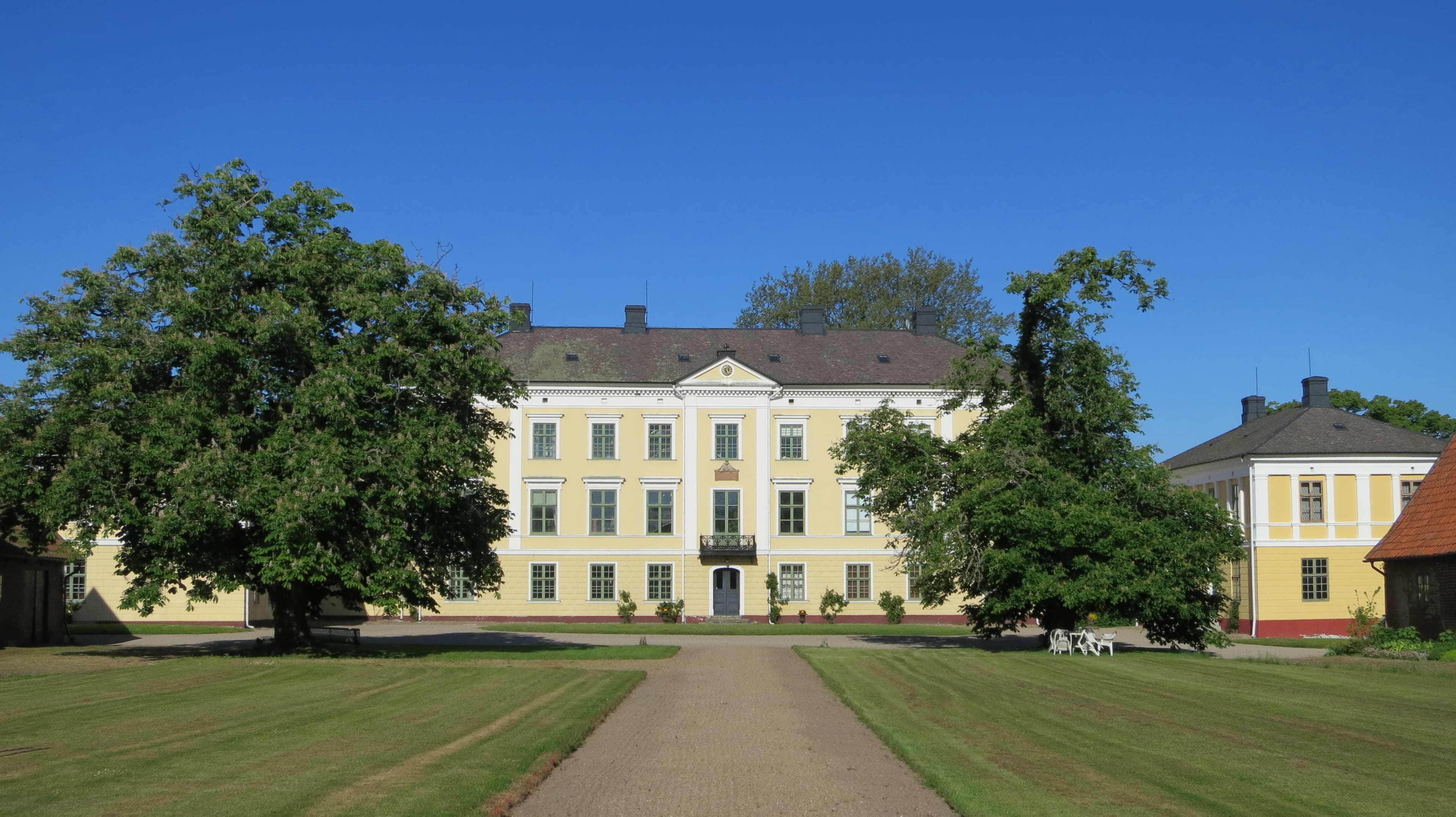
Börringekloster Castle
Svedala, Skåne
Manor / Estate · ★★★★
Approximately 77.8 km apart