Kalmar Castle
Kalmar Slott
Kalmar, Småland, Sweden
Haunting level
Renaissance "Key to the Kingdom" on Kalmarsund — Vasa palace, Kalmar Union landmark, castle prison, and official ghost walks.
Verification
Community submitted
Added by a user. Not yet independently verified.
0
Evidence
0
Reports
1
Photos
0
Videos
Investigation Sources
Track which teams have investigated this location. Haunted Sweden builds verified visits over time.
[Spökjakt]
TV Investigation
Not investigated yet
[LaxTon]
YouTube Investigation
Not investigated yet
[Haunted Sweden]
Team verification
Not investigated yet
History
DOCUMENTED: Kalmar Slott stands at Kungsgatan 1, Kalmar (Småland), on Kalmarsund. Owned/managed in the state heritage system (SFV property; museum and events via Kalmar Slott). ORIGINS: Around 1180 a kastal (defensive tower) was built against pirates and enemies; Kalmar was an established town by the early 1200s. In the late 1200s Magnus Ladulås developed a ring-wall fortress with towers around the old kastal (Kuretornet marks the old western main entrance) — then among Sweden's most modern fortifications. STRATEGIC ROLE: For centuries the castle guarded Sweden's southern approaches while Skåne, Blekinge and Halland remained Danish (until 1658); it was called Rikets nyckel — "the Key to the Kingdom." KALMAR UNION: In 1397 Queen Margaret engineered the union of Sweden, Norway and Denmark; negotiations are tied to Kalmar, and Erik of Pomerania was crowned union king in Kalmar's town church. The union ended formally with Gustav Vasa's kingship in 1523. VASA RENAISSANCE: Mid–late 1500s Gustav I, Erik XIV and Johan III transformed the medieval fortress into a continental-style Renaissance palace (corner towers from the 1530s onward; European artists and craftsmen under Erik and Johan). Interiors include the King's chamber with early intarsia view of the castle and a secret passage, and the Golden Hall's unique gilded coffered ceiling. Appearance remains close to the late-16th-century fabric (often summarised as "as in 1592"). WAR: In the Kalmar War, commandant Christer Somme surrendered the castle to the Danes on 3 August 1611 after hard fighting; Danish occupation until 1613. After the Peace of Roskilde (1658) Kalmar ceased to be a Danish-border fortress; royal visits dwindled and halls were reused as prison and crown distillery (kronobränneri). PRISON — ÖLANDS-JÖDDE (documented court history, not paranormal): December 1645 Kalmar town court (rådhusrätt) tried the inmate known as Ölands-Jödde. Roughly 36 prisoners shared a communal cell; Jödde and associates ran a terror regime — a mock "court," extortion of weekly food/fuel money for beer, beatings, and killings of fellow inmates (popular and historical summaries cite multiple murders by beating plus deaths from starvation/neglect; warders and officials were implicated in corruption). Jödde was sentenced to death by hanging. Treat Hofrén and later retellings as based on the court case, not ghost evidence. RESTORATION: 19th-century decay nearly stripped interiors; Fredrik Wilhelm Scholander and pupil Helgo Zettervall led restoration completed about 1891; moat restored 1941; later 20th–21st-century conservation. Today: museum, exhibitions, restaurant, guided tours and seasonal events. DARK HISTORY CONTEXT: Border warfare, sieges, political imprisonment, torture/interrogation traditions in fortress prisons, executions, disease and hunger among inmates — heavy emotional legacy of a working fortress-prison, separate from folklore below.
Legends
FOLKLORE — WHITE LADY / VITA FRUN (not proven as a named haunting): Local tradition describes a woman with a lantern seen in towers or windows; Destination Kalmar storytelling often identifies her with early-16th-century noblewoman Anna Bielke, who defended Kalmar interests against Danish pressure — present the lantern defender tale as folklore layered on a historical figure. FOLKLORE — GREY LADY / GRÅA DAMEN: Another female apparition tradition in popular ghost lists. FOLKLORE — LITTLE BOY: Modern visitor/guide anecdotes of a mysterious child inside the castle — unverified. FOLKLORE — PRISON SPIRITS: Stories linking residual unrest to former inmates (including Jödde's era) — keep court facts in HISTORY and ghost claims here. OFFICIAL GHOST WALLS (cultural programming): Kalmar Slott runs autumn ghost walks through darkened halls and prison areas (e.g. programmes led by "Svarta Damen"; titles such as Tystad och begravd / Ur mörkrets skuggor), explicitly mixing myths with real dark history; age limits typically apply. WITNESS REPORTS (anecdotal): Footsteps; whispering voices; shadow figures; doors opening; cold spots; apparitions; guide and visitor experiences in prison vaults and empty rooms. SPECIAL AREAS: castle prison (strongest historical atmosphere; Ölands-Jödde); royal apartments; vaults and cellars; courtyard (night photography when access allows); castle chapel. ATMOSPHERE: Massive Renaissance towers, stone courts, moat reflections, hidden stairs — one of Sweden's most atmospheric castles after dark. INVESTIGATION IDEAS: official ghost walk; prison history vs folklore; EVP only where permitted; moat blue-hour photography; Grey/White Lady archive check. BEST CONDITIONS: autumn evenings, fog, rain after sunset, winter darkness, blue hour. Keep DOCUMENTED castle/court history separate from FOLKLORE and walk entertainment above.
Haunted Sweden Investigation
Status: Investigation planned — not yet completed
This location is on the Haunted Sweden investigation shortlist. We separate documented history from folklore and visitor reports until a team visit can confirm access, atmosphere, and any claimed evidence.
- Documented history and primary sources
- Local folklore vs. unverified claims
- Visitor access, safety and night-visit notes
- Photos, audio and community reports (when available)
Been here? Help the investigation — submit a tip or report
Paranormal reports
No approved reports yet. Share your experience.
Photos
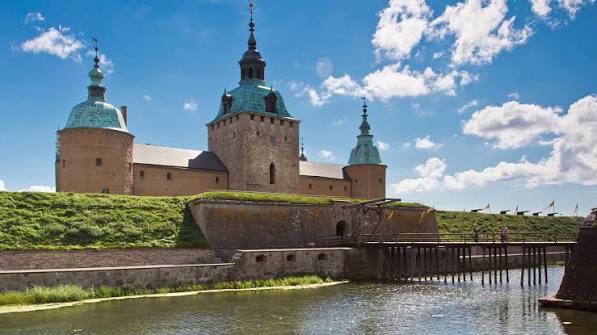
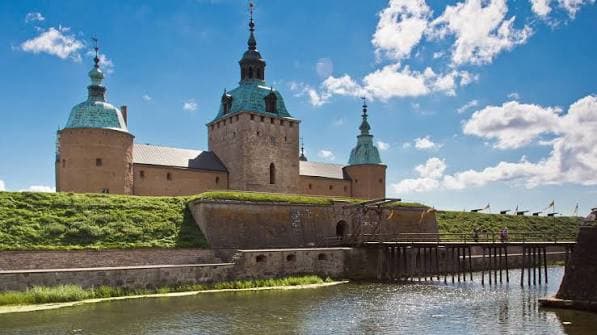
Kalmar Castle, Kalmar
Added by: Google Images (thumbnail)
Videos
No videos yet. Be the first to contribute.
Location
- City
- Kalmar
- Region
- Småland
- Country
- Sweden
- Address
- Kungsgatan 1, 392 33 Kalmar, Sweden
- Coordinates
- 56.6638°, 16.3619°
Access
Guided visits
Family friendly
Family friendly
Visit difficulty
★☆☆☆☆
Night access
Not recommended
Parking
Available
Guided tours
Available
Public access
Yes
Safety
Active museum and event site — visit during official hours via kalmarslott.se. Guided tours included with admission when offered; seasonal ghost walks require separate tickets and age rules. Stay on allowed routes; do not enter closed towers, prison sections or scaffolding without guides. Respect moat edges, fire rules and photography policy. No unauthorized overnight investigation inside the castle.
Nearby haunted locations
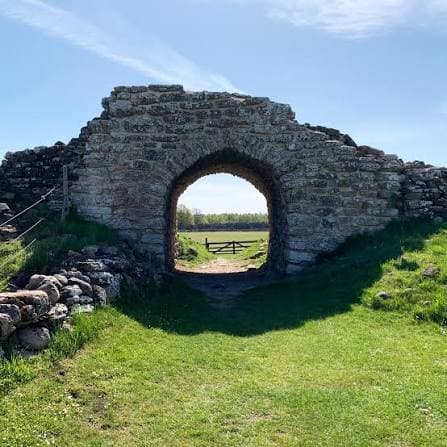
Graborg Ringfort
Färjestaden, Öland
Legend Site · ★★★★★
Approximately 15.2 km apart
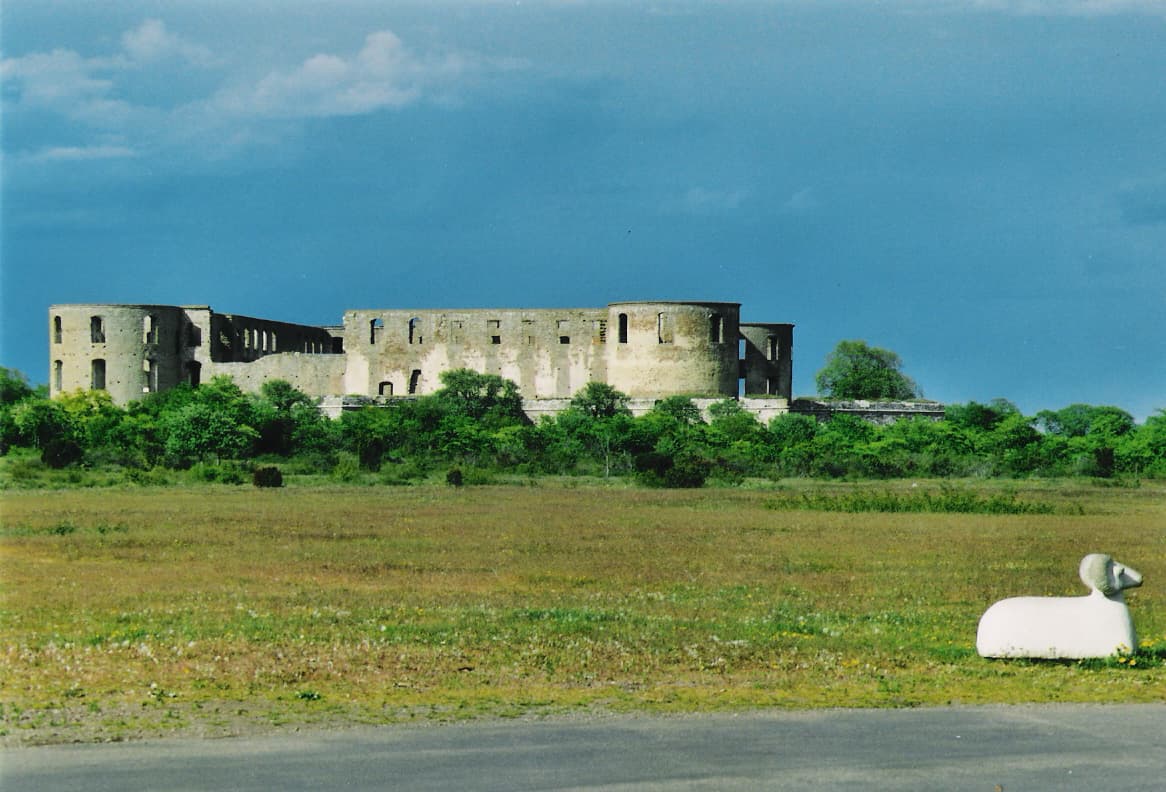
Borgholm Castle Ruin
Borgholm, Öland
Castle / Castle Ruin · ★★★★★
Approximately 30.0 km apart
Berga Manor
Högsby, Småland
Manor / Estate · ★★★★
Approximately 59.6 km apart
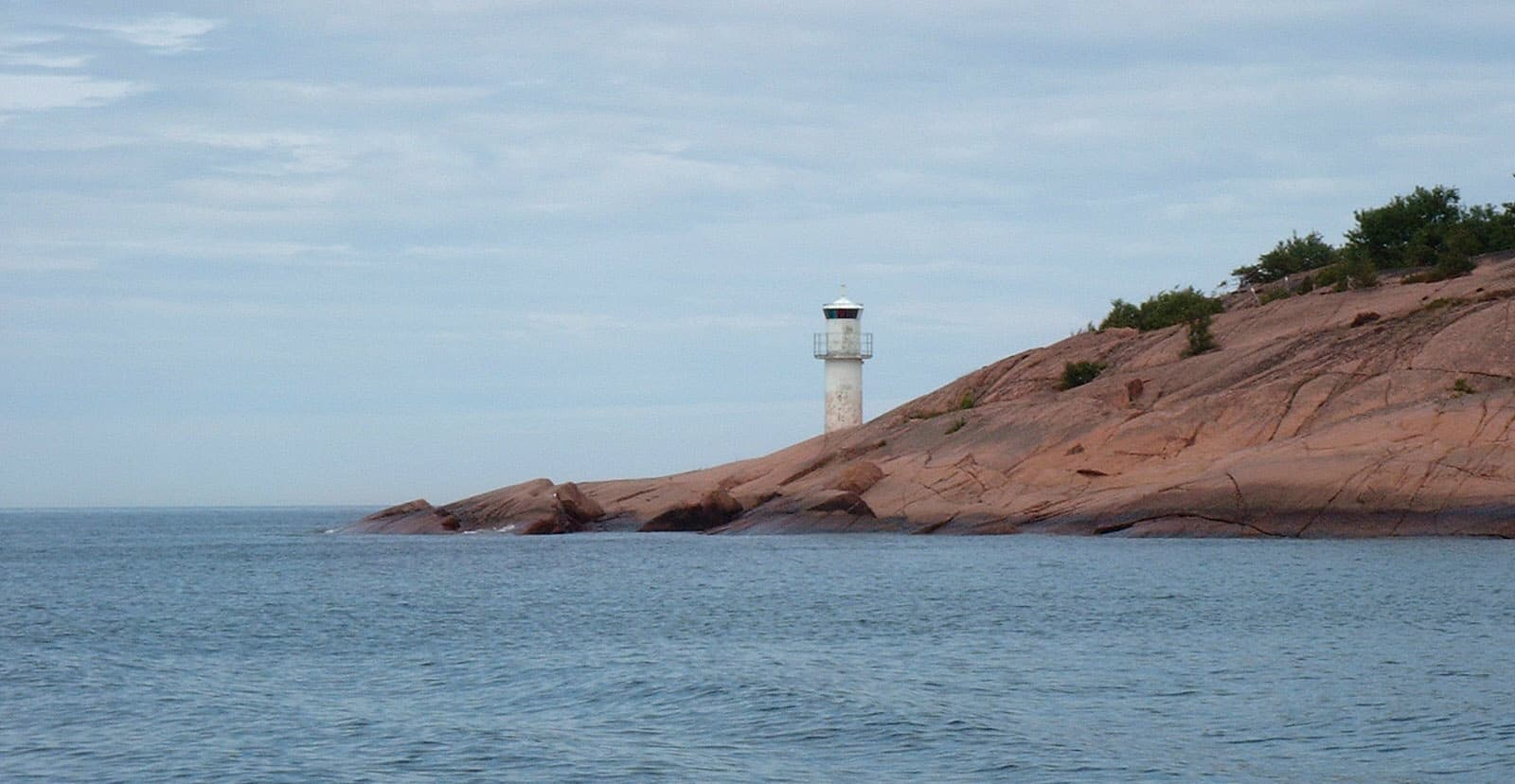
Blå Jungfrun (Blue Maiden / Blåkulla)
Oskarshamn, Småland
Legend Site · ★★★★★
Approximately 72.0 km apart
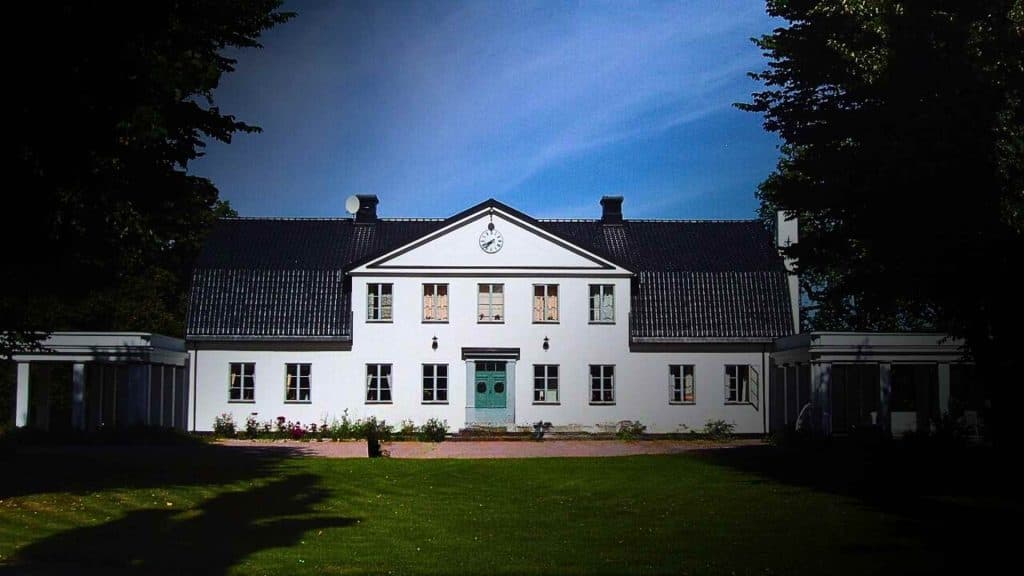
Blombacka Manor
Blombacka, Småland
Manor / Estate · ★★★★
Approximately 81.3 km apart
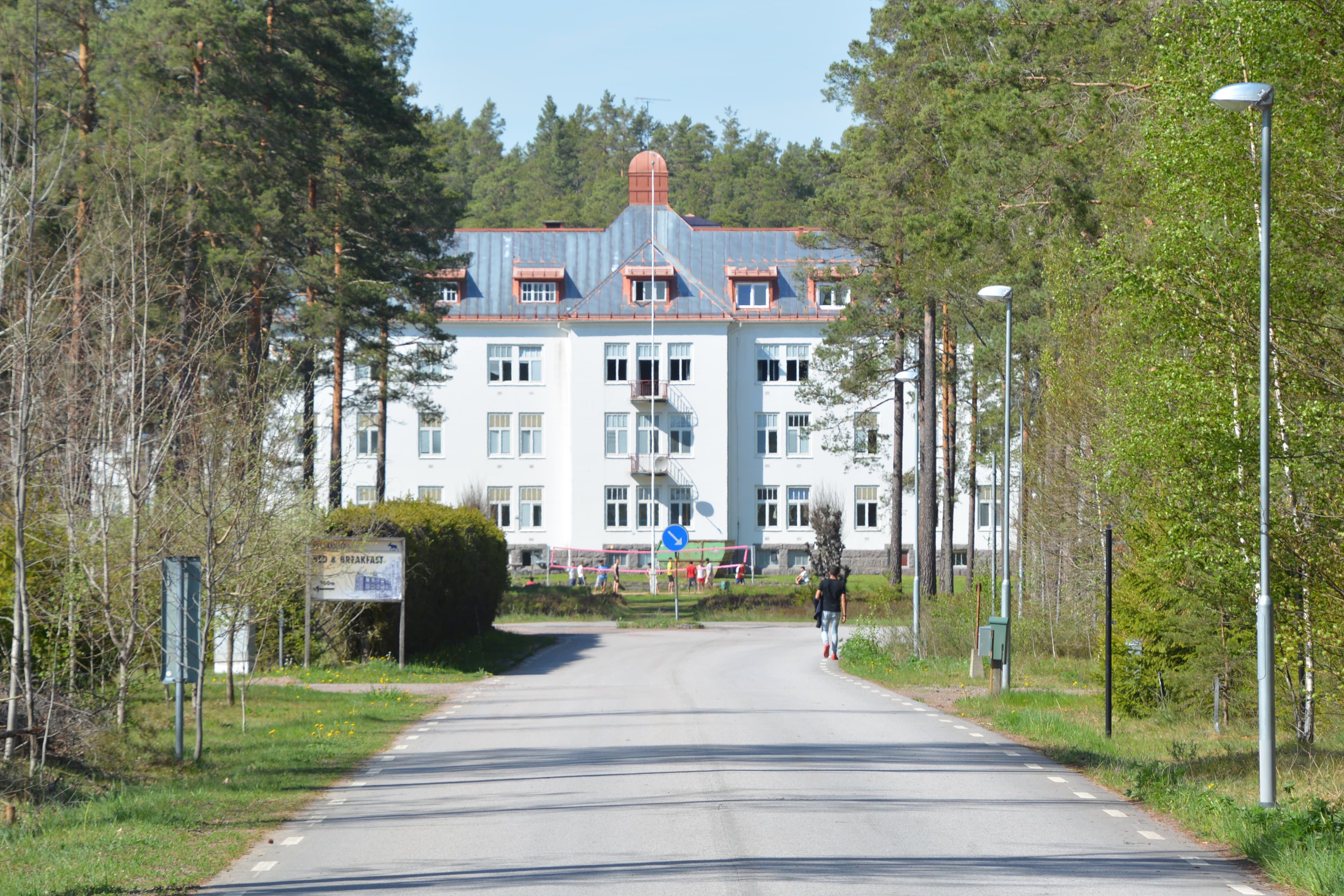
Målilla Sanatorium
Målilla, Småland
Abandoned Place · ★★★★★
Approximately 88.2 km apart