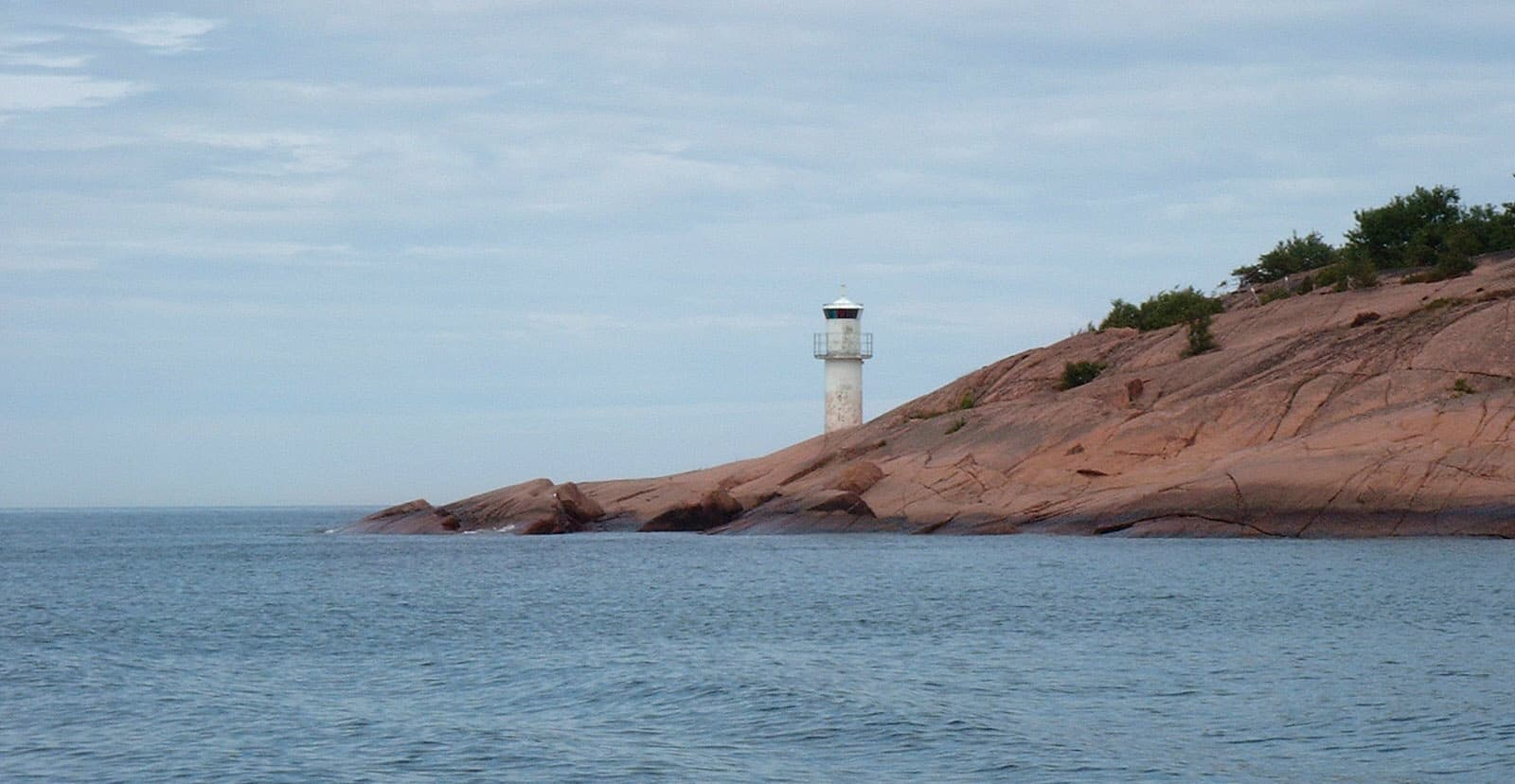
Blå Jungfrun (Blue Maiden / Blåkulla)
Blå Jungfrun
Oskarshamn, Småland, Sweden
Haunting level
Sweden's legendary Blåkulla island in Kalmarsund — granite national park (1926) with 500+ years of witch folklore, Trojeborg labyrinth, and the famous stone curse.
Quick facts
- National park since
- 1926
- Also known as
- Blåkulla
- County
- Kalmar
- Access
- Seasonal boat (Oskarshamn / Byxelkrok)
- Famous folklore
- Witches · Trojeborg · Stone curse
- Haunted Sweden
- Investigation planned
- Haunted Sweden Score
- 10/10
Verification
Community verified
Supported by multiple reports, photos or confirmations from different visitors.
0
Evidence
0
Reports
1
Photos
0
Videos
Investigation Sources
Track which teams have investigated this location. Haunted Sweden builds verified visits over time.
[Spökjakt]
TV Investigation
Not investigated yet
[LaxTon]
YouTube Investigation
Not investigated yet
[Haunted Sweden]
Team verification
Not investigated yet
History
DOCUMENTED: Ice, granite and a national park
Blå Jungfrun is an uninhabited granite island in Kalmarsund between the Småland mainland and Öland, in Oskarshamn Municipality, Kalmar County. The island dome rises dramatically from the sea (summit commonly cited around 86 m). Sveriges Nationalparker and Länsstyrelsen Kalmar describe ice-sculpted red granite, polished bedrock, ädellövskog (deciduous forest), and numerous jättegrytor (giant's kettles) formed during the Ice Age. The national park covers land plus surrounding water (island land area is a majority of the park footprint); purpose in regulation is to preserve the island in its natural state.
DOCUMENTED: Early human traces and Trojeborg
Archaeological and heritage writing places human activity on and around the island deep into prehistory (Stone Age presence is cited in popular heritage summaries). On the south side lies the stone labyrinth Trojeborg — roughly 18 m across with about 13 circuits laid on polished bedrock. Its exact age is unknown; it was already present when Carl Linnaeus visited in 1741. Linnaeus speculated a waiting sailor built it for favourable wind — a historically recorded opinion, not a proven origin. Walking the labyrinth is today framed as cultural heritage and folklore practice, not a dated ritual proven in excavation.
DOCUMENTED: Olaus Magnus (1555) and Linnaeus (1741)
Olaus Magnus named the island in northern European geography (Carta Marina context 1539; Historia de gentibus septentrionalibus 1555) as a place associated with northern witches' gatherings — a Renaissance ethnographic claim, not a modern forensic investigation. Carl Linnaeus (Carl von Linné) landed during his Öland journey in June 1741. Sailors warned him not to call the rock Blåkulla (preferring Jungfrun / Känningen) lest storms rise — he recorded the stormy landing, the island's harsh appearance, dense woods, Trojeborg, and his famous sceptical remark that anyone who has been there will hardly wish to return, and that if any place looks dreadful, this is among the grimmest. Treat Linnaeus as a primary documentary witness for 1741 conditions and contemporary superstition, not as confirmation of witchcraft.
DOCUMENTED: Quarrying 1904–1925 and park founding 1926
Red Jungfru granite (rapakivi-type decorative stone) was quarried on the south side from about 1904, with export notably to Germany; quarrying damaged dramatic geology including giant's kettles. Conservation campaigns followed (parliamentary motion for national park protection already 1914). In 1925 Torsten Kreuger financed purchase arrangements (with local advocates including County Governor John Falk) so quarrying could stop and the island could be given to the Crown. By royal decision of 5 February 1926 (SFS 1926:16 context), Blå Jungfrun was established as a national park — among Sweden's early parks. The park was later extended (1988). Management today involves Naturvårdsverket with Länsstyrelsen Kalmar; seasonal boat tours typically depart Oskarshamn and Byxelkrok when weather allows.
DOCUMENTED dark / maritime context (no invented disasters)
Isolation, steep shores and Kalmarsund weather made the island hazardous for small craft — Linnaeus's near-wreck landing is a documented example of sea risk, not a catalogue of named mass tragedies. Sailors historically avoided or euphemised the island's name. Quarrying brought temporary worker housing later removed when the park was formed. Do not invent undocumented shipwreck lists or executions on the island.
Legends
FOLKLORE: Blåkulla and witch traditions (not proven history)
From at least the 1400s (as summarised by Länsstyrelsen / Sveriges Nationalparker), magical beliefs about witches and sorcery surrounded Blå Jungfrun. In Swedish folk tradition Blåkulla is the mythical mountain where witches flew on Maundy Thursday (skärtorsdagen) to meet the Devil. The island became popularly identified with that Blåkulla — a folklore identification layered onto a real rock in Kalmarsund. Olaus Magnus (1555) already framed Jungfrun as a meeting place for northern witches testing magic. Swedish witch-trial eras elsewhere in the realm drew on Blåkulla imagery; that does not mean documented sabbaths occurred on this island. Separate: (A) real island geography and park status; (B) centuries of Blåkulla storytelling; (C) any modern paranormal claim.
FOLKLORE: The stone curse (modern living tradition)
A widespread belief holds that visitors must never remove a stone from Blå Jungfrun or bad luck follows until the stone returns. This is folklore — not a verified physical curse. Yet it is a documented social practice: Oskarshamn Municipality and guides (e.g. SVT Småland reporting) regularly receive stones mailed or delivered with letters linking accidents, illness or misfortune to the souvenir; stones are periodically returned to the island. Mark dates on returned stones (even decades later) appear in media coverage. Haunted Sweden presents this as contemporary folklore behaviour, not scientific proof.
MODERN ATMOSPHERE & WITNESS-STYLE REPORTS (anecdotal)
Visitors and guides describe sudden silence in the forest, feelings of being watched on cliffs, heavy weather mood, odd sounds in fog, and shadow-like impressions among boulders — typical high-mystique landscape reports. Treat as experience narrative unless tied to a named, documented investigation. Special haunted / mythic areas: (1) Trojeborg labyrinth — ritual mystery folklore; (2) Summit — panoramic Kalmarsund and Blåkulla associations; (3) Giant's kettles — Ice Age geology with uncanny shapes; (4) Deciduous forest — Linné's dense woods, deep quiet; (5) Boulder shore / Stensliperiet — stone-curse photography zone.
Atmosphere, investigation ideas, best conditions
Granite cliffs from the sea, ancient deciduous canopy, sea caves and fog make Blå Jungfrun one of Sweden's most mythical landscapes. Investigation ideas (where permitted): Is Blå Jungfrun the real Blåkulla?; Trojeborg walk; stone-curse documentary ethics; history vs folklore; respectful daytime EVP only with park approval. Best conditions: heavy sea fog, sunrise/sunset, calm weather, autumn, blue hour. Never remove stones or disturb fornlämningar; stay on marked trails.
Haunted Sweden Investigation
Status: Investigation planned — not yet completed
This location is on the Haunted Sweden investigation shortlist. We separate documented history from folklore and visitor reports until a team visit can confirm access, atmosphere, and any claimed evidence.
- Documented history and primary sources
- Local folklore vs. unverified claims
- Visitor access, safety and night-visit notes
- Photos, audio and community reports (when available)
Been here? Help the investigation — submit a tip or report
Paranormal reports
No approved reports yet. Share your experience.
Photos
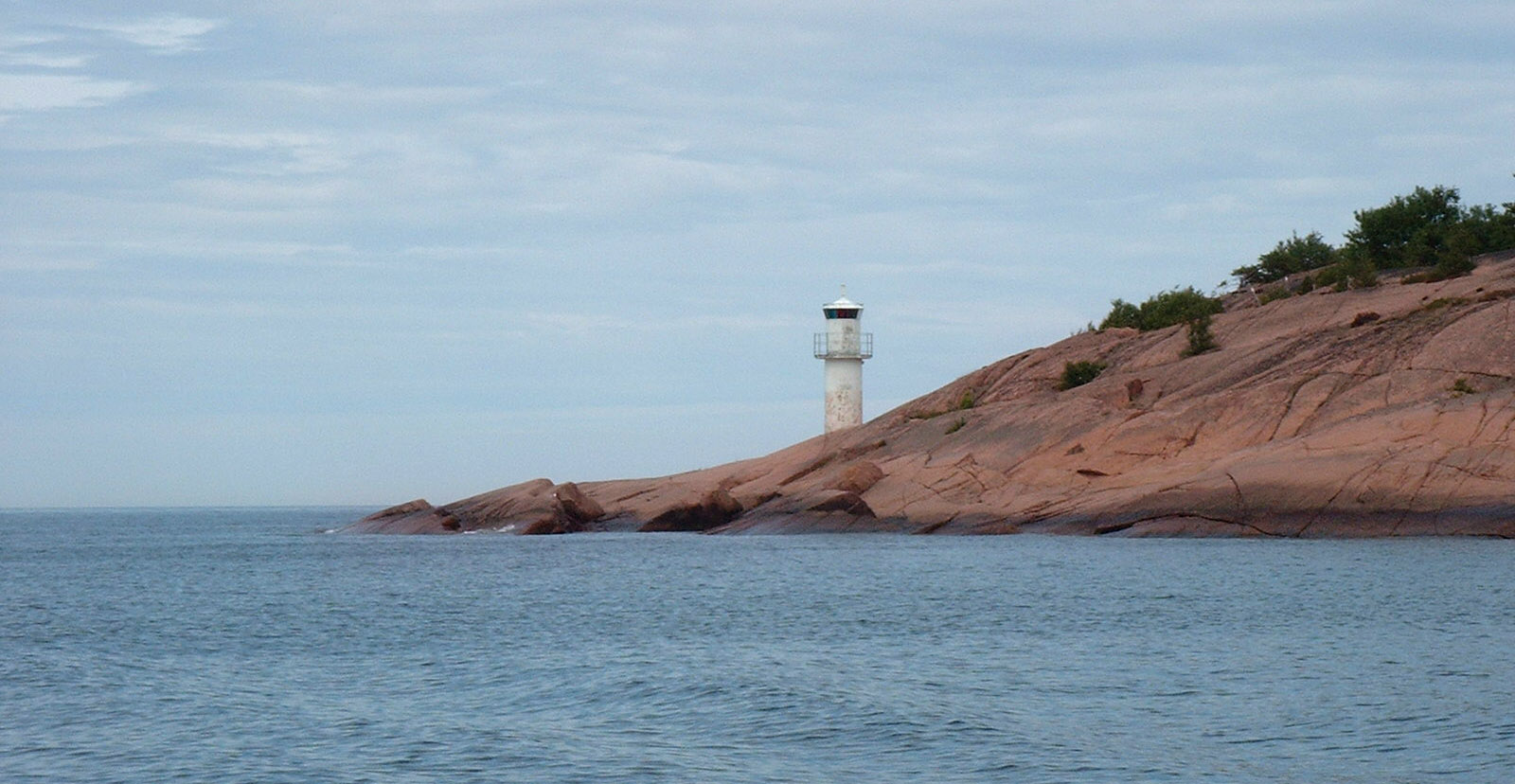
Blå Jungfrun National Park, Kalmarsund
Added by: Wikimedia Commons
Videos
No videos yet. Be the first to contribute.
Location
- City
- Oskarshamn
- Region
- Småland
- Country
- Sweden
- Address
- Blå Jungfrun National Park, Kalmarsund, Kalmar County, Sweden
- Coordinates
- 57.2670°, 16.7950°
Access
Guided visits
Family friendly
Family friendly
Visit difficulty
★★★☆☆
Night access
Not recommended
Parking
Limited
Guided tours
Available
Public access
Yes
Safety
National park — follow Sveriges Nationalparker / Länsstyrelsen Kalmar rules. Reach only by seasonal boat tours (Oskarshamn, Byxelkrok) or authorised craft; landings depend on weather. Stay on marked trails; rocky terrain can be slippery. Do not remove stones, plants or cultural remains. Overnight and fires are restricted — only where officially permitted. No drones or disturbance without checking current park regulations.
Frequently asked questions
Is Blå Jungfrun the same as Blåkulla?
Can I take a stone as a souvenir?
How do I visit Blå Jungfrun?
What did Linnaeus write about the island?
Has Haunted Sweden investigated Blå Jungfrun yet?
Nearby haunted locations
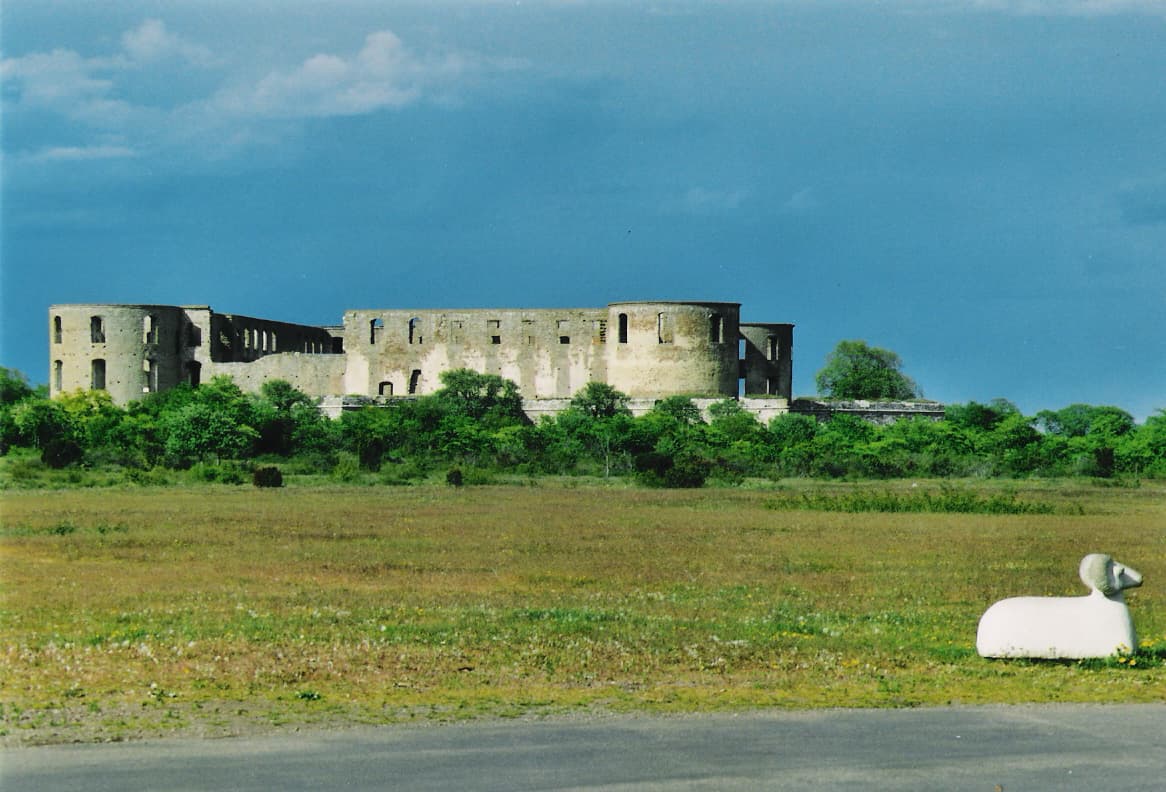
Borgholm Castle Ruin
Borgholm, Öland
Castle / Castle Ruin · ★★★★★
Approximately 43.9 km apart
Berga Manor
Högsby, Småland
Manor / Estate · ★★★★
Approximately 47.5 km apart
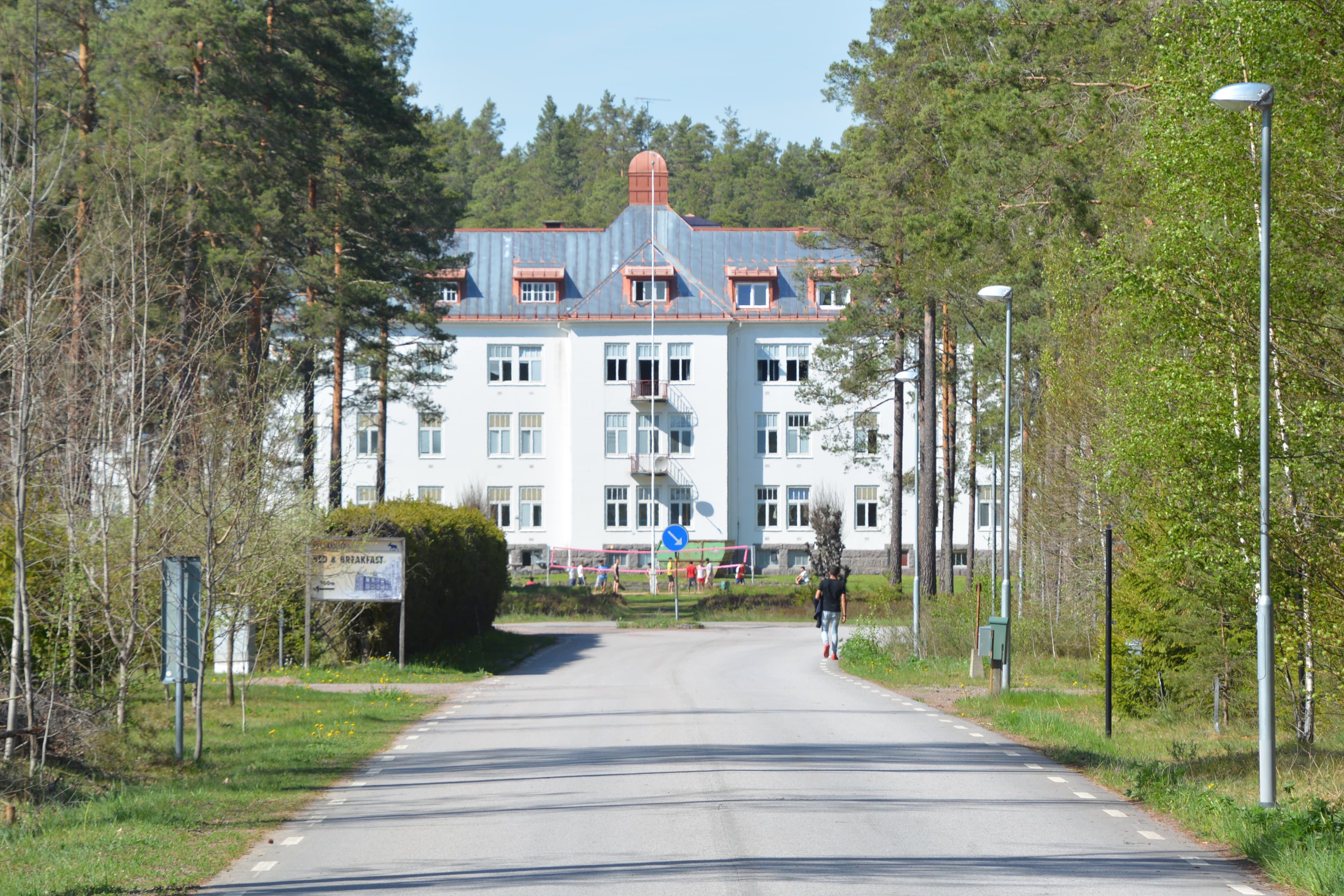
Målilla Sanatorium
Målilla, Småland
Abandoned Place · ★★★★★
Approximately 62.6 km apart
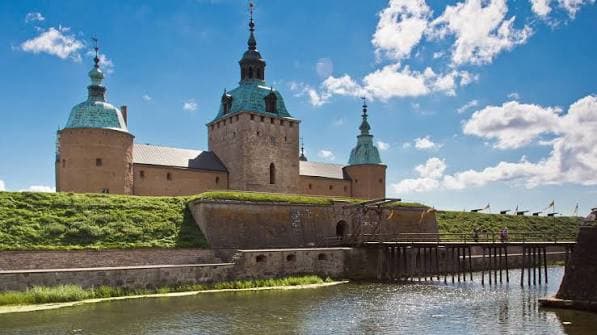
Kalmar Castle
Kalmar, Småland
Castle / Castle Ruin · ★★★★★
Approximately 72.0 km apart
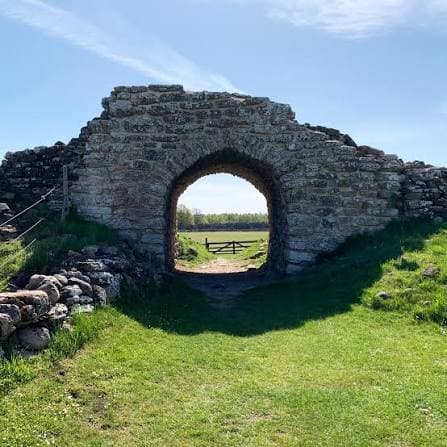
Graborg Ringfort
Färjestaden, Öland
Legend Site · ★★★★★
Approximately 74.9 km apart
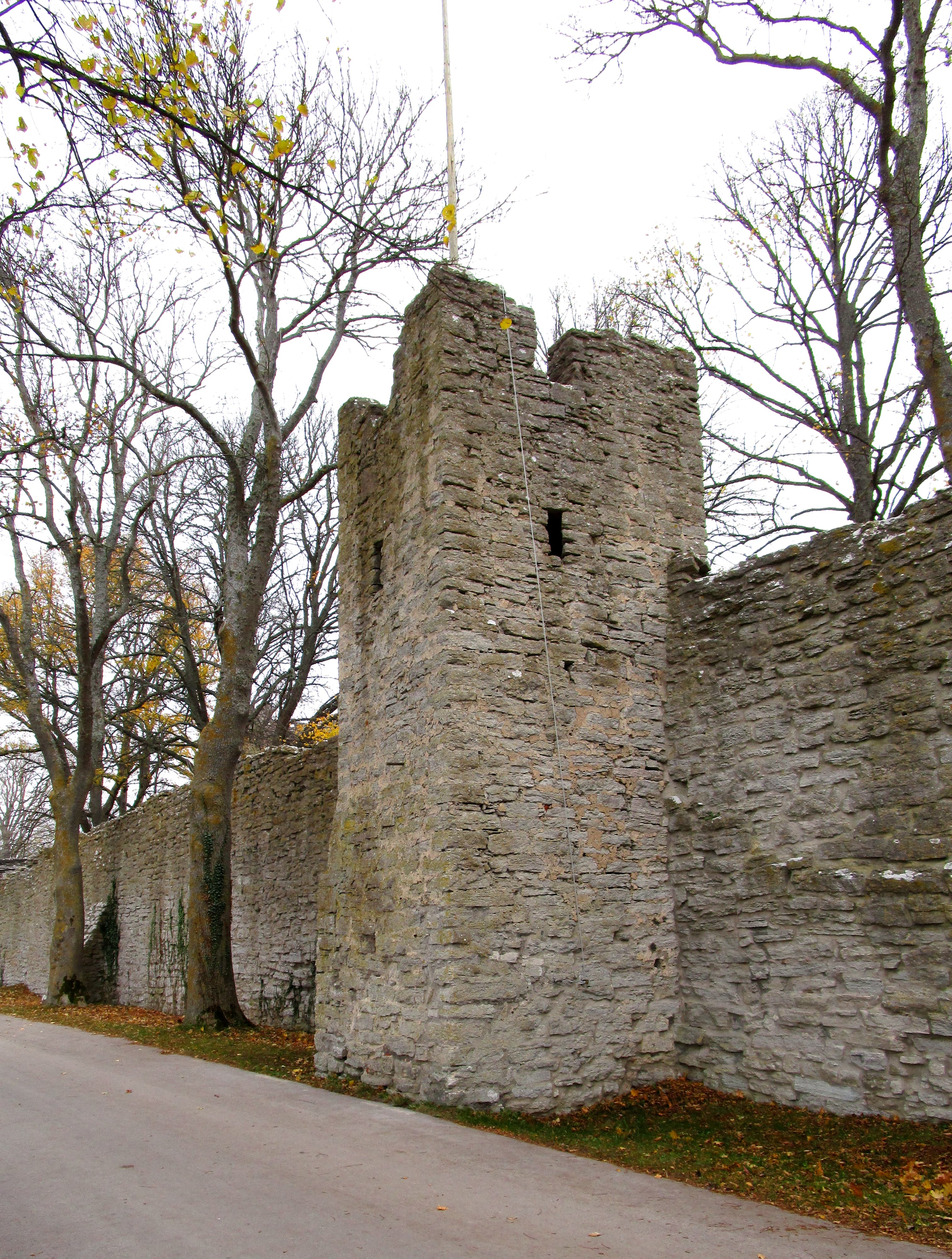
Jungfrutornet – The Maiden Tower (Visby City Wall)
Visby, Gotland
Legend Site · ★★★★
Approximately 98.4 km apart