Engsö Castle (Ängsö Slott)
Engsö Slott
Västerås, Västmanland, Sweden
Haunting level
Island castle in Lake Mälaren near Västerås — medieval Sparre fortress, Piper–Hårleman baroque museum, Engsökedjan, and Sweden’s most openly tourism-documented haunted-castle folklore set.
Quick facts
- First mentioned
- c. 1167–1196 (Knut Eriksson)
- Stone fortress
- 1480s · Bengt Fadersson Sparre
- Baroque rebuild
- 1740s · Carl Hårleman / C. F. Piper
- Listed
- 1965
- Owner
- Westmannastiftelsen (from 2010)
- Signature object
- Engsökedjan (wall chain + folklore)
- Haunted Sweden
- Score 9.9 · FLAGSHIP · Premium EXTREMELY HIGH
Verification
Community verified
Supported by multiple reports, photos or confirmations from different visitors.
0
Evidence
0
Reports
1
Photos
0
Videos
Investigation Sources
Track which teams have investigated this location. Haunted Sweden builds verified visits over time.
[Spökjakt]
TV Investigation
Not investigated yet
[LaxTon]
YouTube Investigation
Not investigated yet
[Haunted Sweden]
Team verification
Not investigated yet
History
DOCUMENTED: Late 1100s origins and Riseberga
**Ängsö / Engsö** (both spellings are used; older form **Engsö**, modern heritage often **Ängsö**) is first named as **"Engsev"** in a royal letter of **King Knut Eriksson**, issued between **1167 and 1196**, stating he inherited the property after his father **Erik Jedvardsson (Erik den helige)** (Swedish Wikipedia; Gahrn & Fridell 2010). Before **1272** the estate was held by **Riseberga Abbey (Riseberga kloster)** (Wikipedia; Kulturarv Västmanland).
DOCUMENTED: Sparre fortress (1453–1710)
**1453**: the land passed by inheritance settlement to the **Sparre** family (Kulturarv Västmanland; Slottsguiden). In the **1480s** riksråd **Bengt Fadersson Sparre** built a **stone defensive house / fortress**; **lower medieval fabric survives inside today’s castle** (Västerås stad; Kulturarv Västmanland; Wikipedia).
**Knut Bengtsson Sparre** defended Västerås for Christian II and was killed **1521**; **1522** Gustav Vasa took Ängsö after siege. **1538** the castle returned to Knut’s daughter **Hillevi Knutsdotter** (married Arvid Trolle). Later owners include **Arvid Posse**, who gave the estate as morning gift to **Brita Bååt** of Follnäs — a **documented marriage connection**, separate from later ghost legend (Wikipedia owner list).
**1630s** (often **1636–1637** under Per Sparre): major rebuild/expansion; the castle appears in **Erik Dahlbergh’s Suecia antiqua et hodierna**. Sparre ownership continued until **1710**.
DOCUMENTED: Christina Törnflycht, Piper and Carl Hårleman
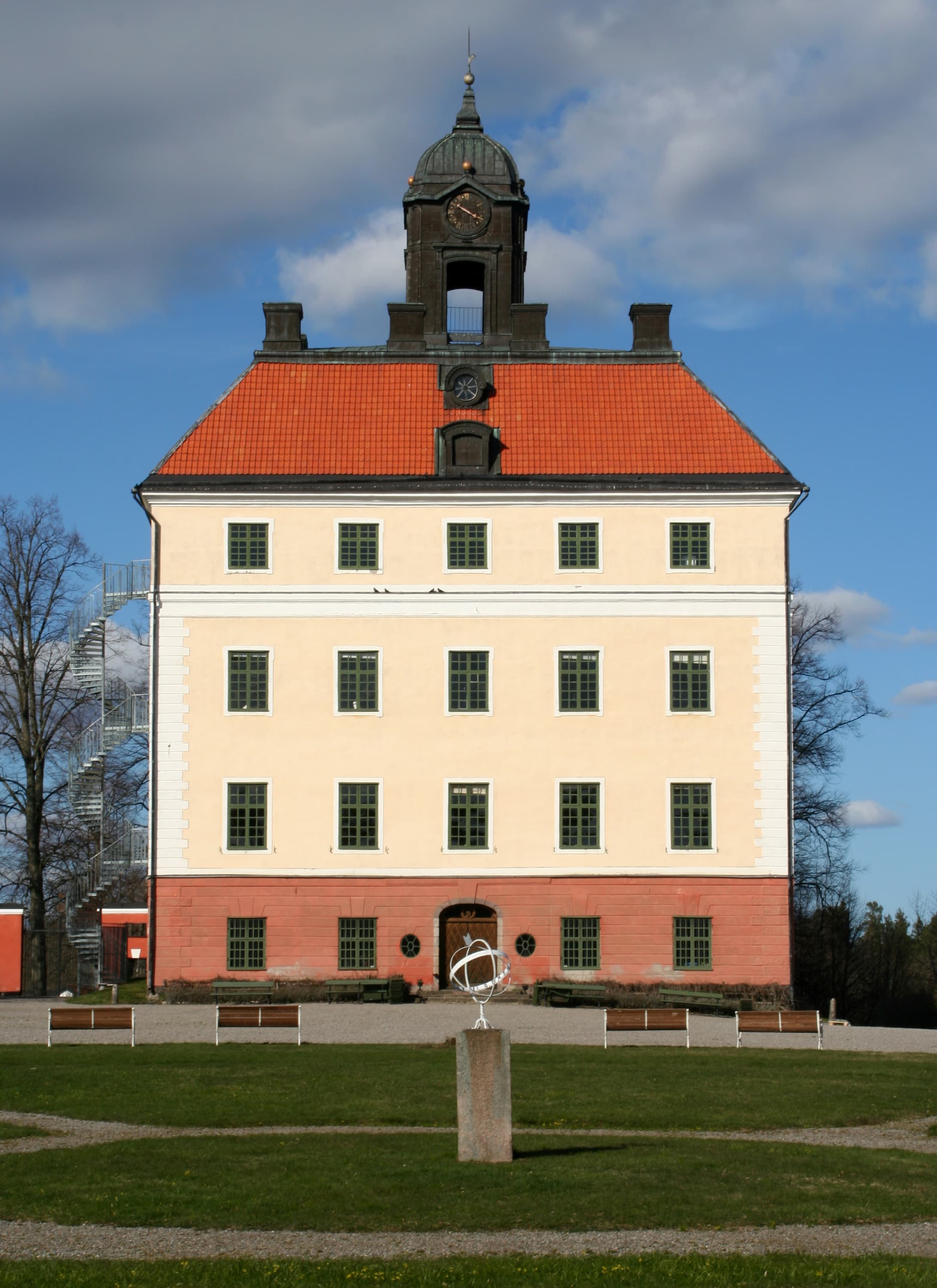
**1710**: **Christina Törnflycht** (wife of **Carl Piper**, then a prisoner of Peter the Great) acquired Ängsö. She later made it a **Piper family fideikommiss**. Her son **Carl Fredric Piper** commissioned the major reconstruction of the **1740s** (**1740–1741** uppermost storey and mansard roof with lantern after architect **Carl Hårleman**; works often dated through mid-1740s). Wings, economy buildings and park layout belong to this phase (Västerås stad; Wikipedia; Slottsguiden). Several **18th-century room interiors** survive.
DOCUMENTED: Museum, listing, Westmannastiftelsen
The main castle was **last lived in as a residence until 1959**. **Erik and Hedvig Piper** worked with **Riksantikvarieämbetet** to restore and open it for tours (Västerås stad). **1965**: **byggnadsminne** (listed historic building). Piper **fideikommiss ownership until 1971** (last fideikommissarie Eric Piper d. 1968). Ownership later passed through a Västmanland nature/outdoor foundation to **Westmannastiftelsen (from 2010)**. The **Piper family still leases and lives on the estate**; the **castle building functions as museum** (Wikipedia; Kulturarv Västmanland).
DOCUMENTED: Setting and collections
- Nearly **cubic four-storey stone-and-brick** house; **medieval lower levels**. - Large **portrait collection**; period furnishings restored with help of inventories. - Historic **park** and island landscape within **Ängsö / Engsö skärgård** (~30 islands in Mälaren). - Adjacent **Ängsö / Engsö Church** (medieval parish church) — separate operators from the castle museum (engso-events.com FAQ).
DOCUMENTED: Access (verify seasonally)
**engso-events.com** (2026 season pattern): open from early May; weekends May–June and September; daily July–mid-August (hours typically 11–16 in peak summer). **Museum entry** (adult/child priced); café and shop free to enter. **Guided group tours** (min. ~10). Private photography for personal use allowed inside. Do **not** assume evening ghost access — night visits require official events/bookings. Never trespass.
Legends
FOLKLORE CLASSIFICATION KEY
1. Historical fact 2. Historical testimony 3. Folklore / legend 4. Modern witness report 5. Paranormal interpretation
Haunted Sweden never treats (3)–(5) as proven science.
---
DOCUMENTED OBJECT + FOLKLORE — Engsökedjan (the Engsö chain)
**Documented / observable (category 1–2):** A **narrow, long gold chain** (tourism texts say about **five feet**) is **set into / displayed in a wall** at the castle — Visit Västmanland and Kulturarv Västmanland describe it as visible on visits; Wikipedia places the chain in a **display case in the stair hall** in present museum practice. It is a real physical object visitors can see on official tours.
**Folklore (category 3):** Legend says **Johan Sigismund Sparre**, alone and wanting a dice partner, summoned a dark figure; after play the stranger gave him the chain and warned it must **never leave the castle or the place would burn**. Variants say he won it gambling with the **Devil**. Superstition: removing the chain brings fire. FREEDOMtravel and Slottsguiden retell the curse narrative.
**Not claimed:** Haunted Sweden does **not** claim supernatural properties, authenticated devil-origin, or scientifically proven curse effects.
---
FOLKLORE — Anders Luxemburg (court jester)
**Historical basis (category 1–2, incomplete):** Tradition identifies **Anders Luxemburg** as a **hunchbacked court jester** associated with **Karl XII**, later entering Piper service at Engsö; Wikipedia and Slottsguiden place his death at Ängsö in **1744**. Stories link him to Karl XII’s horse **Brandklipparen** (said to panic and die against a wall in **1740** — folklore layered on a named royal horse known from art/history). Full independent biography verification is a future research task.
**Apparition folklore (category 3):** He is said to walk the **castle grounds / park** in a **grey long coat and cap**, nearly 300 years after death. Why he returns is unexplained in the legends.
**Classification:** Named ghost tradition — folklore, not verified haunting.
---
FOLKLORE + HISTORICAL CORRECTION — Brita Bååt
**Documented (category 1):** **Brita Bååt** of Follnäs married **Arvid Posse** and received Ängsö as morning gift (Wikipedia owner list). She is a real historical figure connected to the estate.
**Legend (category 3):** She is cast as a **cruel woman** who drove husbands to early graves; a **female figure dragging her feet** through **Kungarummet** into **Stora balsalen** around **20:00** (Visit Västmanland says 8 pm; some older texts say 7). Christmas-morning church legend: she rushes to lit **Ängsö Church**, meets skeletons at mass, is attacked by two wraiths (said to be dead husbands); sword and “blood stone” are pointed out in church/churchyard folklore.
**Historical correction (category 1 research note):** Swedish Wikipedia cites modern research that **Brita Bååt was married only once**; the multi-husband cruelty tale may **overlap with earlier lady Elsa Trolle** (married three times, outlived all three). Haunted Sweden flags this as **legend contamination**, not proven biography.
**No separate generic “White Lady” cycle** was found beyond this **female apparition identified as Brita Bååt** in tourism/folklore sources. Do not invent an extra White Lady.
---
FOLKLORE — Cottilion (ghost dog)
**Tradition (category 3):** Dog **Cottilion** belonged to **Sophie Piper** (Eva Sophie von Fersen, widow of Adolf Ludvig Piper), who primarily lived at **Löfstad** but visited Engsö. Cottilion died **“at his mistress’s feet”** — French text cited on a **gravestone**. Reports: rasping paw sounds / glimpses running from **large dining room** to **salon**.
**Classification:** Ghost-animal folklore. Gravestone text is historical testimony of a pet death; nocturnal dog apparition is legend/interpretation.
---
MODERN WITNESS REPORTS (category 4)
**Catharina Piper / Clas Svahn:** Journalist **Clas Svahn** stayed overnight with **Catharina Piper** and **Jan Gustafsson**; Piper described seeing a **woman walk into an adjoining room** from the **ballroom** on **three occasions**, including **daytime** observations (csblogg.ufo.se). Svahn and Piper sat in the ballroom at midnight without anomalous events that night — absence of phenomena is also data.
**Det okända:** TV series *Det okända* visited Ängsö / Engsö (**aired Feb 2008**, season 6 ep. 7; Wikipedia notes 2007 visit). Synopsis: **Katarina/Catharina Piper** as long-time resident knowing local legends; medium Vendela Cederholm investigates. Treat as **media paranormal entertainment + resident interview**, not scientific proof.
**Additional sensory reports** (footsteps, newspaper-page rustling, dogs reacting, figure seeming to pass through a wall with later comparison to older openings on plans) circulate in **guide storytelling and paranormal literature**. Haunted Sweden treats the **wall-figure + former opening** pattern as:
- **OBSERVATION (reported):** a figure appeared to pass through a solid wall. - **POSSIBLE HISTORICAL EXPLANATION (hypothesis):** older architectural plans may show a former opening at that spot — **verify on site with guides and drawings**. - **INTERPRETATION (category 5):** apparition / ghost.
Do **not** present the paranormal reading as proven. On-site verification is listed under Future Mission.
---
SPECIAL AREAS
1. **Kungarummet** — Brita Bååt route start (folklore). 2. **Stora balsalen** — continuation of route; modern Piper sightings. 3. **Engsökedjan** — wall/stair-hall object + curse folklore. 4. **Corridors / park** — Anders Luxemburg tradition. 5. **Dining room–salon axis** — Cottilion sounds/glimpses. 6. **Ängsö Church** — Christmas mass legend; blood stone / sword folklore. 7. **Piper residential wing** — modern resident reports (private — respect access).
INVESTIGATION IDEAS (official access only)
The Ghosts of Engsö · Anders Luxemburg · Brita Bååt in the Ballroom · Mystery of Engsökedjan · Ghost Dog Cottilion · Who Walks Through the Wall? · History vs Folklore · Night at Engsö (booked events only).
BEST CONDITIONS
Autumn · fog · blue hour · evening · rain · winter darkness — for atmosphere photography within **legal opening hours**.
Haunted Sweden Investigation
Status: Investigation planned — not yet completed
This location is on the Haunted Sweden investigation shortlist. We separate documented history from folklore and visitor reports until a team visit can confirm access, atmosphere, and any claimed evidence.
- Documented history and primary sources
- Local folklore vs. unverified claims
- Visitor access, safety and night-visit notes
- Photos, audio and community reports (when available)
Been here? Help the investigation — submit a tip or report
Paranormal reports
No approved reports yet. Share your experience.
Photos
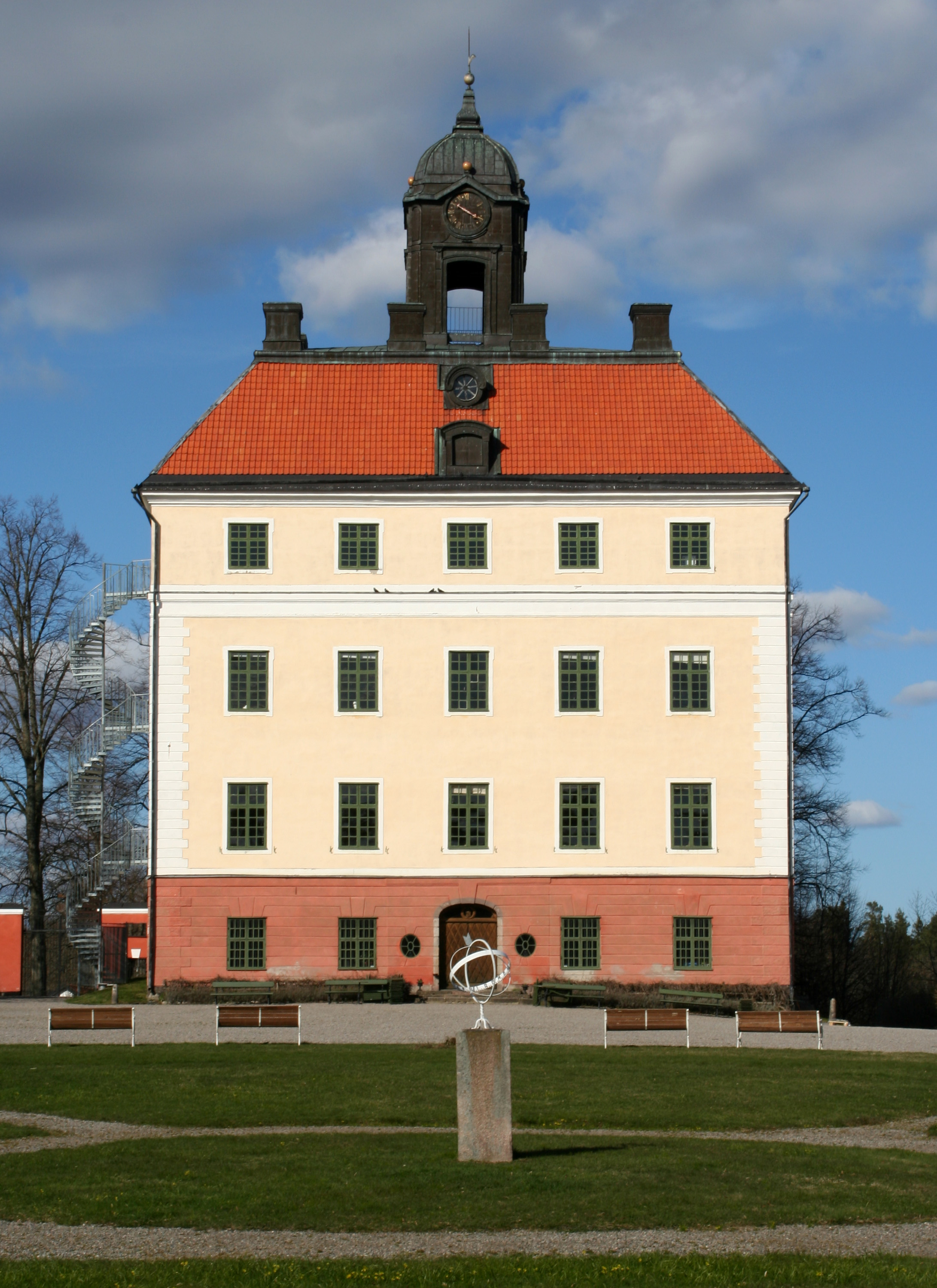
Engsö Slott (Ängsö) on Lake Mälaren, Västerås
Added by: Wikimedia Commons
Videos
No videos yet. Be the first to contribute.
Location
- City
- Västerås
- Region
- Västmanland
- Country
- Sweden
- Address
- Engsö Slott, 725 98 Västerås, Västmanland, Sweden
- Coordinates
- 59.5325°, 16.8575°
Access
Guided visits
Family friendly
Family friendly
Visit difficulty
★☆☆☆☆
Night access
Not recommended
Parking
Available
Guided tours
Available
Public access
Yes
Safety
Active museum, café, events and private Piper residence on the estate. Visit only during published opening hours or booked guided tours/events (engso-events.com / Västerås tourism). Do not trespass after hours, enter private wings, or disturb church services or graves at Ängsö Church. Island roads and park paths can be uneven and dark — use normal outdoor caution. Unauthorised overnight ghost hunts are not allowed.
Frequently asked questions
Is Engsö Castle really haunted?
What is Engsökedjan?
Who was Brita Bååt?
Can I visit haunted rooms?
Has Haunted Sweden investigated yet?
Nearby haunted locations
Sundbyholm Castle
Eskilstuna, Södermanland
Castle / Castle Ruin · ★★★★★
Approximately 15.6 km apart
Gripsholm Castle
Mariefred, Södermanland
Castle / Castle Ruin · ★★★★★
Approximately 36.8 km apart
Gripsholm Inn
Mariefred, Södermanland
Haunted Accommodation · ★★★★★
Approximately 36.9 km apart
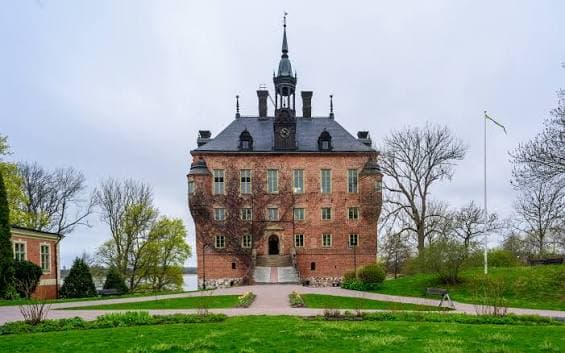
Wik Castle (Viks Slott)
Balingsta, Uppland
Castle / Castle Ruin · ★★★★★
Approximately 40.8 km apart
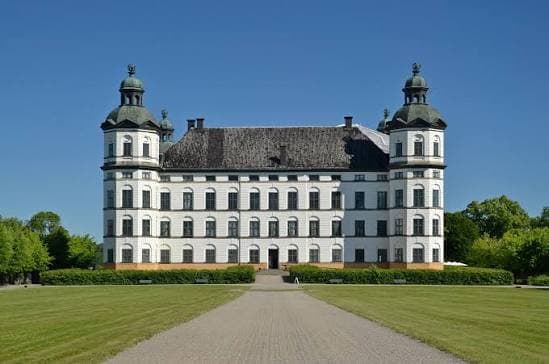
Skokloster Castle
Skokloster, Uppland
Castle / Castle Ruin · ★★★★★
Approximately 47.0 km apart
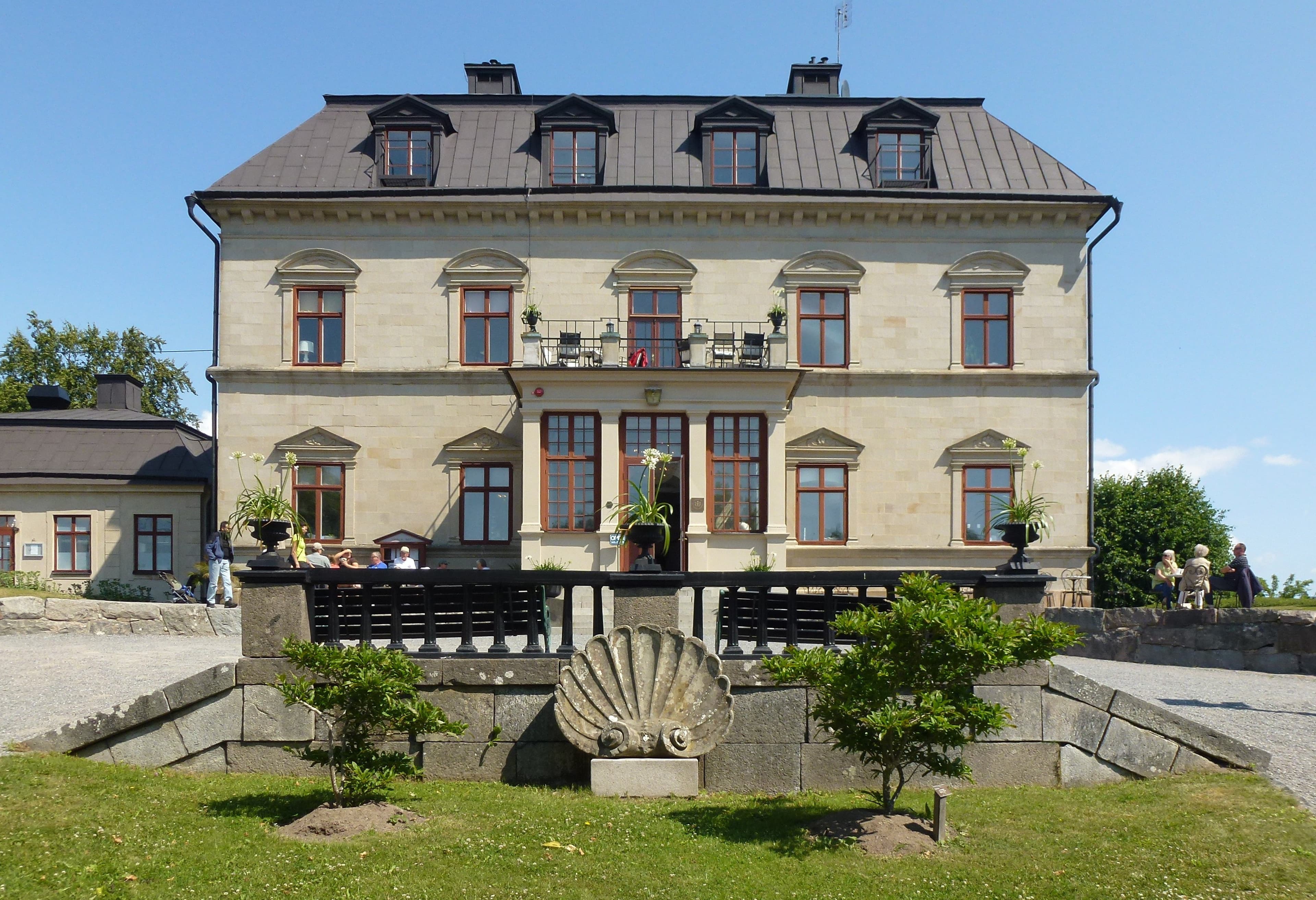
Görväln Castle
Järfälla, Stockholm
Castle / Castle Ruin · ★★★★
Approximately 53.5 km apart