Scheffler Palace (Spökslottet / The Haunted Palace)
Schefflerska Palatset
Stockholm, Stockholm, Sweden
Haunting level
Stockholm's legendary Spökslottet — Baroque malmgård (c. 1700) beside Spökparken, famous for Knigge folklore and centuries of ghost stories.
Verification
Community submitted
Added by a user. Not yet independently verified.
0
Evidence
0
Reports
1
Photos
0
Videos
Investigation Sources
Track which teams have investigated this location. Haunted Sweden builds verified visits over time.
[Spökjakt]
TV Investigation
Not investigated yet
[LaxTon]
YouTube Investigation
Not investigated yet
[Haunted Sweden]
Team verification
Not investigated yet
History
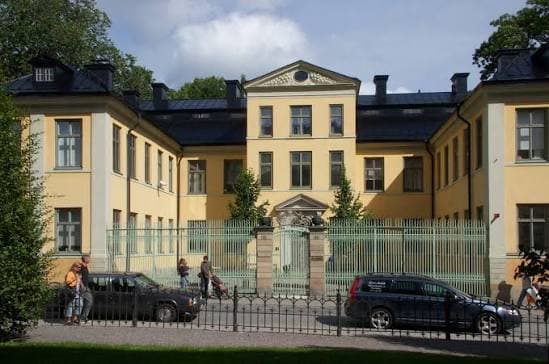
DOCUMENTED: Schefflerska palatset (also historically Kniggeska huset) stands at Drottninggatan 116 (formerly 110), Stockholm — a stone malmgård built as a summer residence around 1699–1702 for merchant Hans Petter Scheffler (drawings linked to Hamburg; wife Catharina Grill appears in local building histories). The HPS monogram survives above the original green iron gate (~1701). Baroque plan with street wings and German-influenced attic gable; elegant stucco ceiling in the great hall traditionally attributed to Giuseppe Marchi. Original grounds included private garden, orangery, outbuildings and an 18th-century summer pavilion (lusthus) still associated with today's Spökparken. OWNERSHIP: Private residence until 1924. Among later owners, Jacob von Balthasar Knigge (late 1700s) — documented as a wealthy merchant and violinist elected member no. 50 of the Royal Swedish Academy of Music; he died 10 January 1796 and has a gravestone at Adolf Fredriks kyrkogård (so folklore of a supernatural disappearance must be separated from the burial record). 1874–1924: owned by Wilhelmina Hierta (widow of Aftonbladet founder Lars Johan Hierta) and daughters; renovation 1875–1876 by architect Axel Kumlien. 1924: house and park donated to Stockholms högskola (Stockholm University); university use from December 1926; later state transfer with university status. Today used for university representation, meetings and art collections (incl. Johan Adolf Berg bequest). SPÖKPARKEN: Immediately east of the palace; one of Stockholm's few byggnadsminnesmärkta parks (Baroque axis + later English romantic planting). City of Stockholm manages the park for public use. DARK HISTORY (documented context): A burial monument/vault was noted on the plot already in the 1700s (sometimes linked to the first owner). Around 1840 a landslide/collapse in the northern park exposed a grave/coffin, fuelling rumours; anonymous remains were moved to a churchyard in connection with 1907 construction for the university neighbourhood (adult male skeleton unidentified in contemporary examination). Literary references include Almqvist and Söderberg. Keep these records separate from Devil-carriage and exorcism folklore below.
Legends
FOLKLORE — WHY "SPÖKSLOTTET" (nickname since the 1830s; not a scientific classification): Popular tradition offers two main name origins: (1) ghost stories tied to former owners, especially Knigge; (2) the ~1840 park landslide that revealed a burial vault and sparked wild fantasies — Stockholm city park history cites both strands. FOLKLORE — JACOB VON BALTHASAR KNIGGE / THE DEVIL'S CARRIAGE (not historically verified as a supernatural event): Legend says the cruel Knigge made a pact with the Devil; on a cold morning in 1796 a black carriage with black horses (coachman with horns and tail in some tellings) waited at the Drottninggatan gate; Knigge entered and vanished forever amid sparks and flame — "fan tog Kniggen." Haunted Sweden notes that Knigge's death and burial are documented; the carriage story is folklore layered onto a real owner. Related cruel-husband / cellar tales are likewise unverified legend. FOLKLORE — THE PRIEST: A Storkyrkan priest is said to have tried to rid the house of spirits and was thrown through a window by unseen forces, breaking a leg — present strictly as folklore. WITNESS REPORTS & POPULAR TRADITION (anecdotal across centuries; not scientifically verified): Singing voices and phantom music; footsteps; shadow figures / grey lady (often placed in the former library); windows and mirrors breaking without clear cause; feeling watched; Scheffler appearing in a shroud with corpse-smell in older tales; couple reports of period-dressed figures passing through walls; Spökparken unease after dark. Treasure and hidden-skeleton rumours circulate beside the documented vault find. SPECIAL AREAS: main entrance / iron gate (carriage legend); historic staircase (footsteps); former garden burial area; Spökparken; 18th-century summer pavilion. ATMOSPHERE: Grand Baroque façade, historic gates, ancient park trees, quiet oasis steps from busy Drottninggatan — Stockholm's most atmospheric haunted landmark after dark. INVESTIGATION IDEAS: Devil's carriage vs burial record; EVP only with permission indoors; Spökparken night walk; history vs folklore. BEST CONDITIONS: autumn evenings, fog, winter darkness, rain after sunset, blue hour. Keep DOCUMENTED history separate from FOLKLORE and anecdotes above.
Haunted Sweden Investigation
Status: Investigation planned — not yet completed
This location is on the Haunted Sweden investigation shortlist. We separate documented history from folklore and visitor reports until a team visit can confirm access, atmosphere, and any claimed evidence.
- Documented history and primary sources
- Local folklore vs. unverified claims
- Visitor access, safety and night-visit notes
- Photos, audio and community reports (when available)
Been here? Help the investigation — submit a tip or report
Paranormal reports
No approved reports yet. Share your experience.
Photos
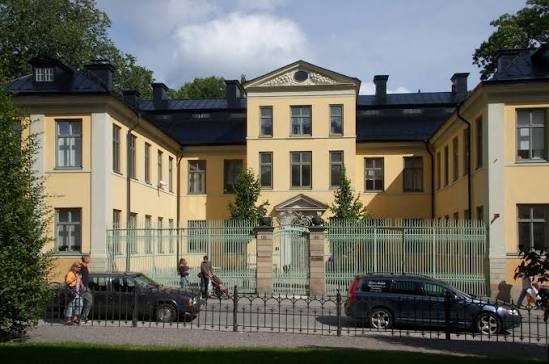
Scheffler Palace (Spökslottet / The Haunted Palace), Stockholm
Added by: Google Images (thumbnail)
Videos
No videos yet. Be the first to contribute.
Location
- City
- Stockholm
- Region
- Stockholm
- Country
- Sweden
- Address
- Drottninggatan 116, 113 60 Stockholm, Sweden
- Coordinates
- 59.3449°, 18.0549°
Access
Public landmark
Family friendly
Family friendly
Visit difficulty
★☆☆☆☆
Night access
Not recommended
Parking
Limited
Guided tours
Available
Public access
Yes
Safety
Spökparken and the palace exterior are publicly accessible — stay on park paths and respect neighbours, university staff and locked gates. The palace interior is generally closed except for guided tours, university events or booked visits; do not trespass, climb fences or enter buildings without permission. Night photography from public areas only; no investigation inside without explicit Stockholm University approval.
Nearby haunted locations
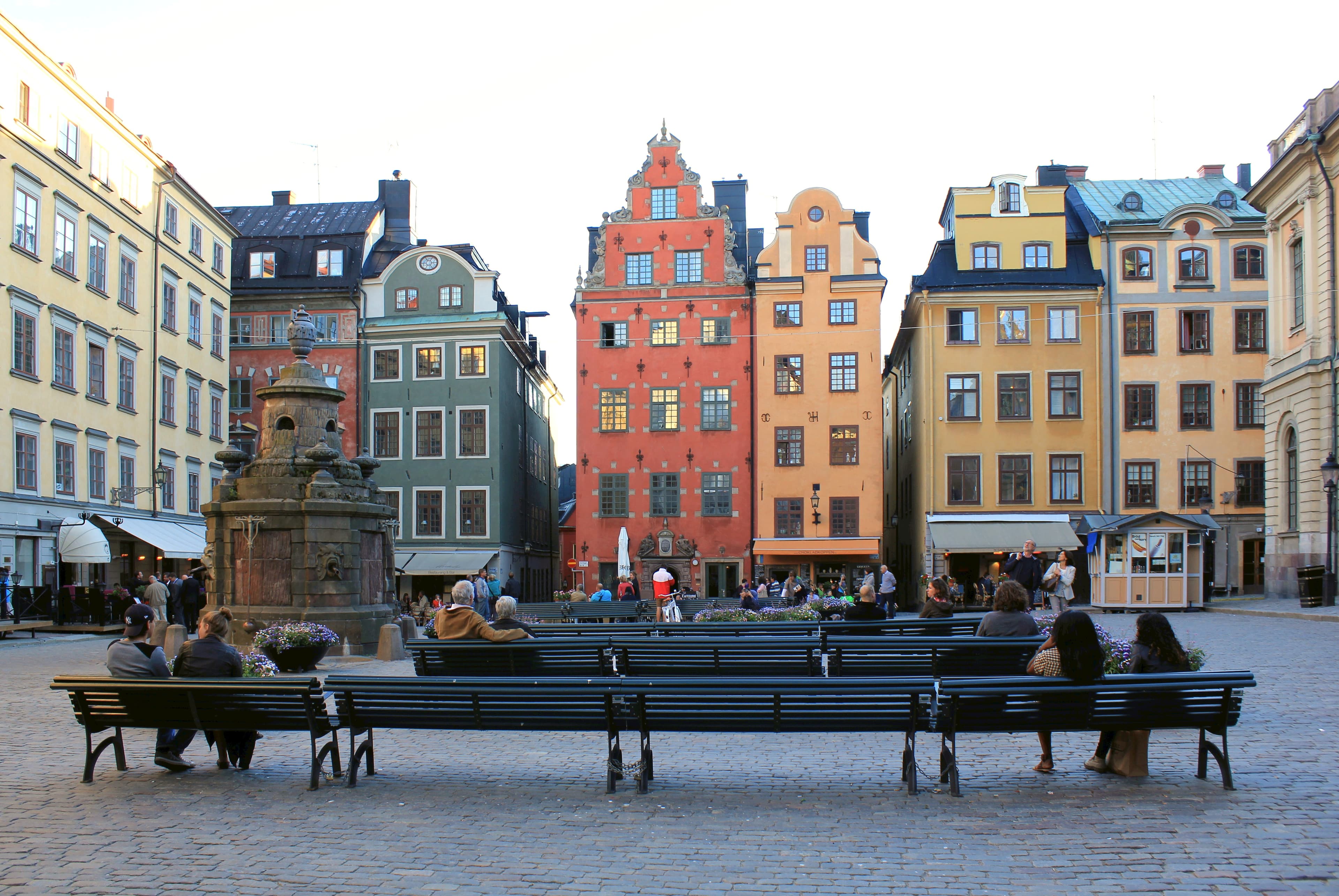
Stortorget – Stockholm Bloodbath (Stockholms blodbad)
Stockholm, Stockholm
Historical Tragedy Site · ★★★★★
Approximately 2.3 km apart
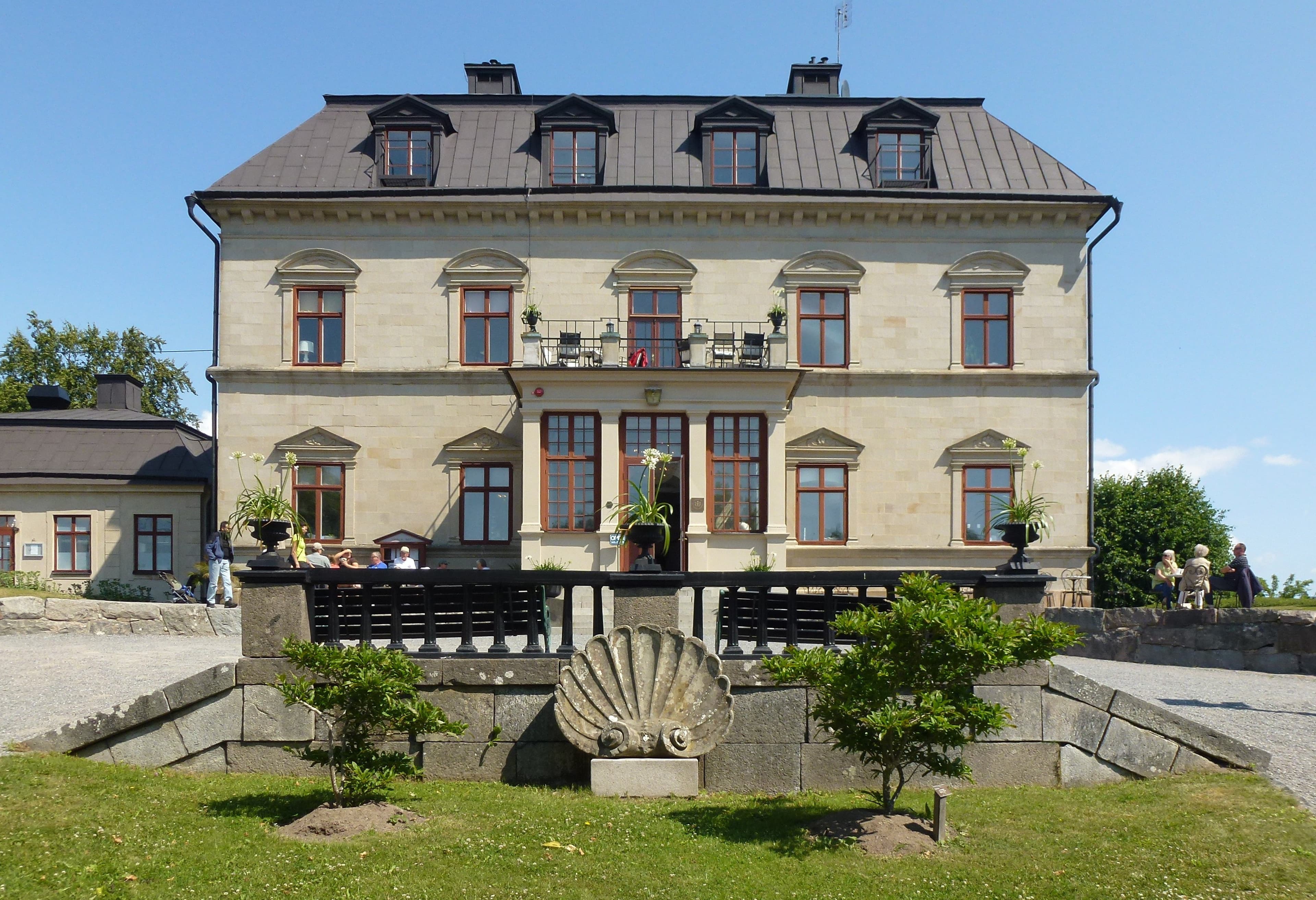
Görväln Castle
Järfälla, Stockholm
Castle / Castle Ruin · ★★★★
Approximately 18.2 km apart
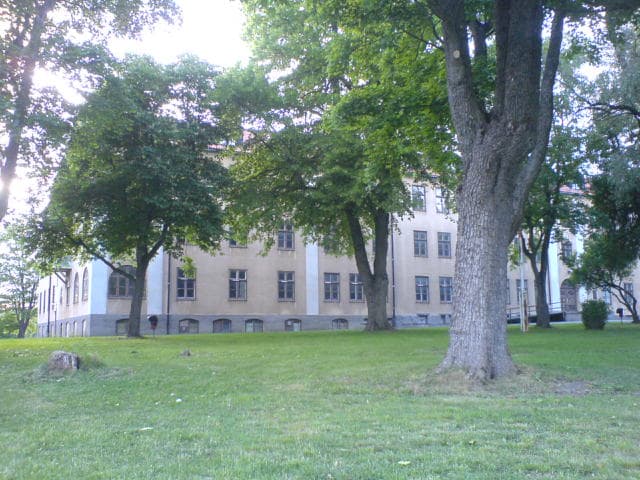
Löwenströmska Hospital (Historic Campus)
Upplands Väsby, Stockholm
Abandoned Place · ★★★★
Approximately 23.2 km apart
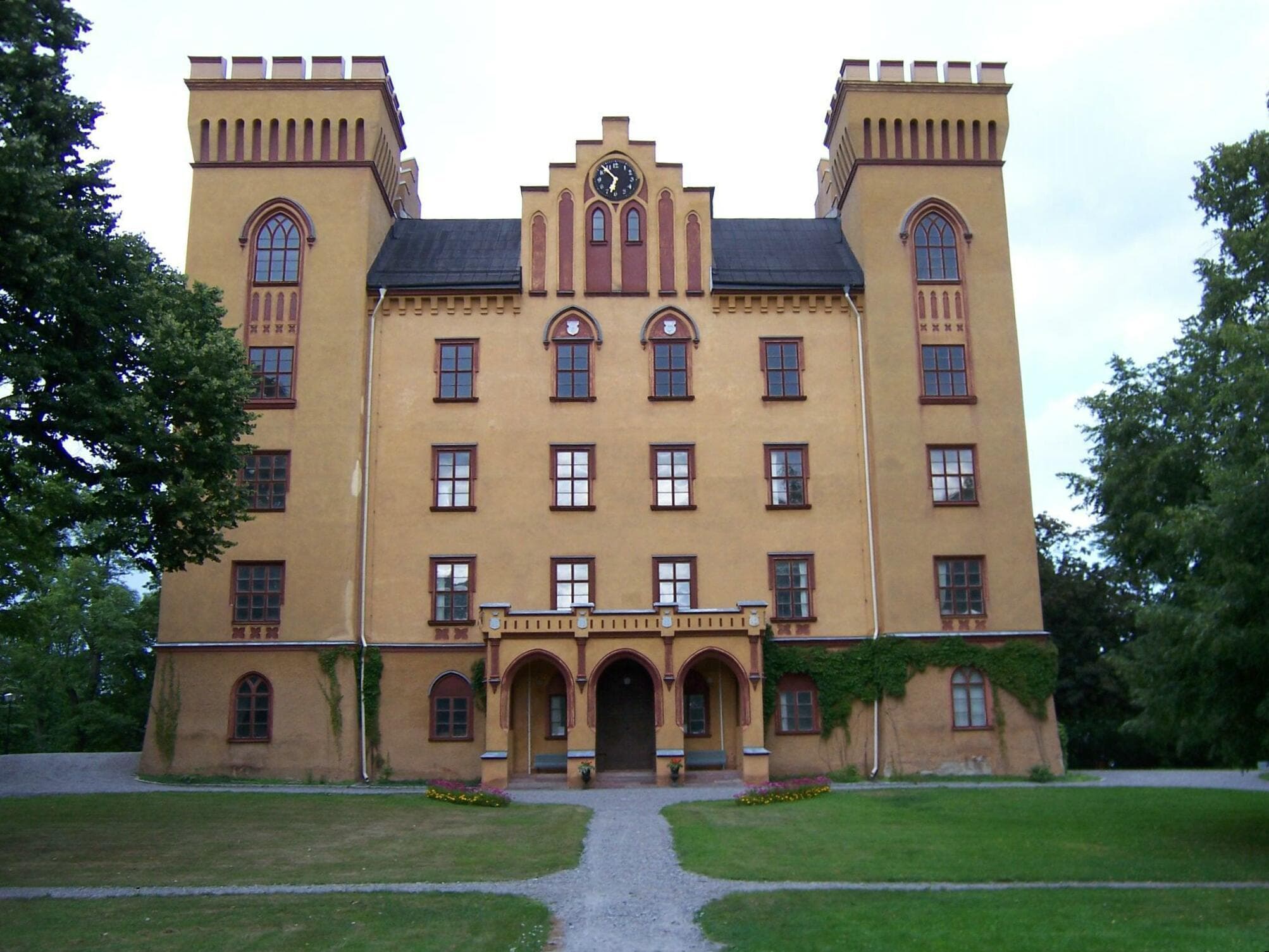
Bogesunds Castle
Värmdö, Stockholm
Castle / Castle Ruin · ★★★★★
Approximately 38.0 km apart
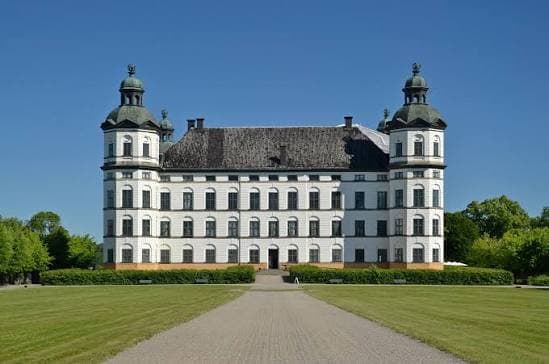
Skokloster Castle
Skokloster, Uppland
Castle / Castle Ruin · ★★★★★
Approximately 46.8 km apart
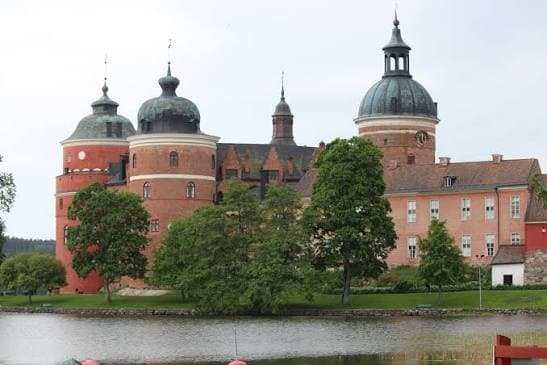
Gripsholm Castle
Mariefred, Södermanland
Castle / Castle Ruin · ★★★★★
Approximately 48.2 km apart