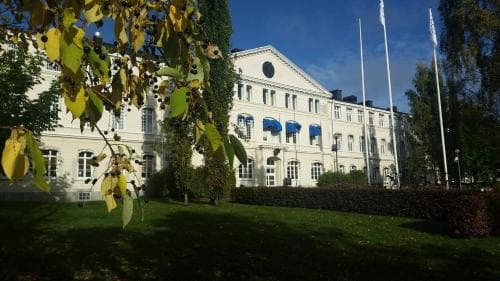
Furunäset (Former Furunäsets Sjukhus / Piteå Hospital och Asyl)
Furunäset
Piteå, Norrbotten, Sweden
Haunting level
Piteå's 1893 Hospital och Asyl — Kumlien brick complex, patient cemetery and park, now hotel and conference amid Norrbotten pines.
Verification
Community submitted
Added by a user. Not yet independently verified.
0
Evidence
0
Reports
1
Photos
0
Videos
Investigation Sources
Track which teams have investigated this location. Haunted Sweden builds verified visits over time.
[Spökjakt]
TV Investigation
Not investigated yet
[LaxTon]
YouTube Investigation
Not investigated yet
[Haunted Sweden]
Team verification
Not investigated yet
History
DOCUMENTED: Furunäset (historically Piteå hospital och asyl; later Furunäsets sjukhus) occupies Belonasvängen / Furunäset on western Pitholmen, Piteå, Norrbotten. FOUNDATION: Riksdag central-hospital policy from 1823; Serafimerordensgillet plan 1873 proposed care for Västerbotten–Norrbotten. In 1886 Medicinalstyrelsen director August Almén and architect Axel Kumlien surveyed sites; Pitholmen was chosen for ground, water, food supply and shelter from winds. Construction 1890–1893 (builder contract 1889); inaugurated 1893. First patient transfers included steamer arrivals of men and women from overcrowded hospitals elsewhere in Sweden (late October 1893 often cited). HOSPITAL vs ASYL: Under the 1858 Hospitalstadga, "hospital" meant a curative course institution; "asyl" meant long-term care for those judged incurable — both functions shared the same Piteå buildings. ARCHITECTURE: Axel Kumlien (Medicinalstyrelsen's hospital specialist; also Uppsala/Ulleråker, Kristinehamn/Marieberg, Lund/S:t Lars among others) designed a closed four-wing brick complex around a rectangular courtyard ("Borgen"), adapted to the northern climate; originally two storeys, third floor added 1927–30. Separate male/female wards; isolation and "storm" (agitated) departments; hospital church hall (now assembly space). Originally dozens of isolation cells (kulturmiljö sources cite on the order of 80+ isolationsrum). COMMUNITY & PARK: Large landscaped grounds in English-park tradition (grotto feature; later Belonaparken); farms, gardens, workshops and cold bathing supported a largely self-sufficient institutional economy and nature-oriented daily order. Cemetery laid out 1898; roughly 900–970 people buried (local tallies ~962–967) — staff memorial stones; patients largely unmarked. Peak mid-20th century around 800 patients. TREATMENTS (period medical practice): isolation and cell confinement; prolonged baths (långbad); later bed treatment, psychosurgery era and psychopharmacology (hibernal and related drugs quieting wards — remembered in local guided history). Third-party care on surrounding farms for capable patients. CLOSURE & REUSE: Large-scale psychiatric activity left around 1987; centenary/official end often given as 1993. Redeveloped as Furunäset Hotell och Konferens and företagsby (business village) while retaining high kulturhistoriskt value (Piteå Museum kulturmiljö analysis). DARK HISTORY (documented social/medical context — not paranormal claims): long-term forced institutionalisation; isolation wards; patients who remained for decades (media and tours highlight Anna Lindersson, admitted 1893, died 1960 — presented as among Sweden's longest involuntary confinements; diagnose details in press are secondary and journals remain partly sealed); deaths on site; cemetery of the forgotten; stigma of mental illness; hierarchical staff–patient life. Haunted Sweden approaches this as heritage of care and suffering, not entertainment at patients' expense.
Legends
FOLKLORE & MEDIA REPUTATION (not scientifically verified): Popular lists and local press call Furunäset one of Sweden's most haunted places, largely because of its asylum past. Anecdotes include shadow figures, footsteps in empty corridors, unexplained voices, feeling watched, cold spots and odd sounds in former wards and basements. Hotel guests and staff (including past owners quoted in Piteå-Tidningen) describe peripheral vision sightings and sensing someone who is not there. TV series Det okända filmed on site; SVT and local media have covered the haunted reputation alongside history. Museum educators have noted that many "ghost" stories cluster in basements — areas patients historically used least — a useful reminder to question folklore geography. GUIDED EXPERIENCES (documented cultural programming): "Guidning i galenskapen" / "Journey into Madness" — seasonal storytelling walking tour (Elin Johansson / Wabi-sabi via Visit Piteå), ~45 minutes from the marina by Heta Hyttan to the old patient cemetery, covering institutional history, care methods and individual fates. This is historical interpretation of a difficult past, not an official paranormal guarantee. Separate folklore ghost walks may be offered by storytellers; verify current programmes. SPECIAL AREAS: main hospital building (Borgen); former isolation / storm-cell corridors; historic park; cemetery; pine forest and Piteälven waterfront. ATMOSPHERE: Monumental brick, courtyard, park paths, ancient pines, quiet riverside — one of Sweden's strongest former-asylum environments. INVESTIGATION IDEAS: overnight hotel stay; Journey into Madness; cemetery documentation with respect; park EVP only where permitted; history vs folklore; mental-healthcare timeline. BEST CONDITIONS: autumn evenings, fog, rain after sunset, winter darkness, early morning mist. Keep DOCUMENTED hospital history separate from WITNESS anecdotes and media folklore above.
Haunted Sweden Investigation
Status: Investigation planned — not yet completed
This location is on the Haunted Sweden investigation shortlist. We separate documented history from folklore and visitor reports until a team visit can confirm access, atmosphere, and any claimed evidence.
- Documented history and primary sources
- Local folklore vs. unverified claims
- Visitor access, safety and night-visit notes
- Photos, audio and community reports (when available)
Been here? Help the investigation — submit a tip or report
Paranormal reports
No approved reports yet. Share your experience.
Photos
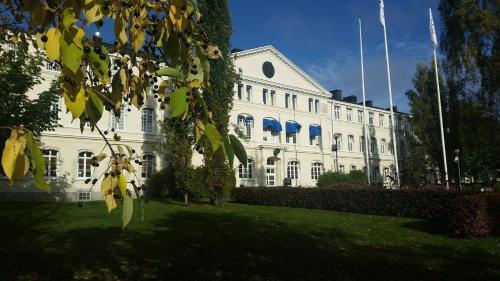
Furunäset (Former Furunäsets Sjukhus / Piteå Hospital och Asyl), Piteå
Added by: x.cdrst.com
Videos
No videos yet. Be the first to contribute.
Location
- City
- Piteå
- Region
- Norrbotten
- Country
- Sweden
- Address
- Belonasvängen 2B, 941 52 Piteå, Sweden
- Coordinates
- 65.3060°, 21.4540°
Access
Paid accommodation
Family friendly
Not family friendly
Visit difficulty
★☆☆☆☆
Night access
Allowed
Parking
Available
Guided tours
Available
Public access
Restricted
Safety
Active hotel, conference centre and business village — book lodging only through official Furunäset Hotell channels. Respect private offices, residents and restricted wings. Cemetery and park: quiet, respectful behaviour; do not disturb graves or memorials. Guided history tours are bookable seasonally (Visit Piteå / Wabi-sabi); do not force entry to closed storm cells or basements. Night investigation only with permission; treat the site as a place of former patients' lives, not a thrill playground.